
When planning a demolition project in Brisbane, it’s essential to understand whether you need commercial or industrial demolition services. Confusing the two can lead to incorrect budgeting, delays in approval, and hiring a contractor without the right capabilities. Each demolition type involves different techniques, regulations, and risks that directly affect timelines and cost.
Next Gen Demolition handles both commercial and industrial demolition across Brisbane. Based on our experience, choosing the correct approach from the start ensures your project runs smoothly, safely, and on budget.
What Is Commercial Demolition?
Commercial demolition refers to the removal of structures used for business activities, including offices, retail stores, restaurants, hospitality venues, schools, and shopping centres. These buildings are often located in high-traffic areas with nearby businesses, pedestrians, and strict access limitations.
Commercial demolition projects in Brisbane require careful sequencing to avoid disrupting surrounding businesses. Structures may have multiple tenants, complex electrical services, shared walls, and operational neighbours who need safe access during business hours.
The key focus in commercial demolition is control. Contractors use selective dismantling methods, smaller equipment, noise and dust management, and detailed traffic planning to protect nearby properties and minimise disruption.
Summary: Commercial demolition prioritises public safety, access logistics, and work sequencing around active business environments.
What Is Industrial Demolition?
Industrial demolition involves removing large-scale facilities such as factories, warehouses, manufacturing plants, power stations, transport depots, and processing facilities.
These structures are usually heavier, built with reinforced concrete or steel, and contain machinery that must be safely dismantled before demolition begins.

Industrial sites in Brisbane often require specialist handling due to potentially hazardous materials, fuel tanks, chemical residues, or asbestos. The work may involve confined spaces, structural bracing, and specific certifications to ensure compliance and environmental safety.
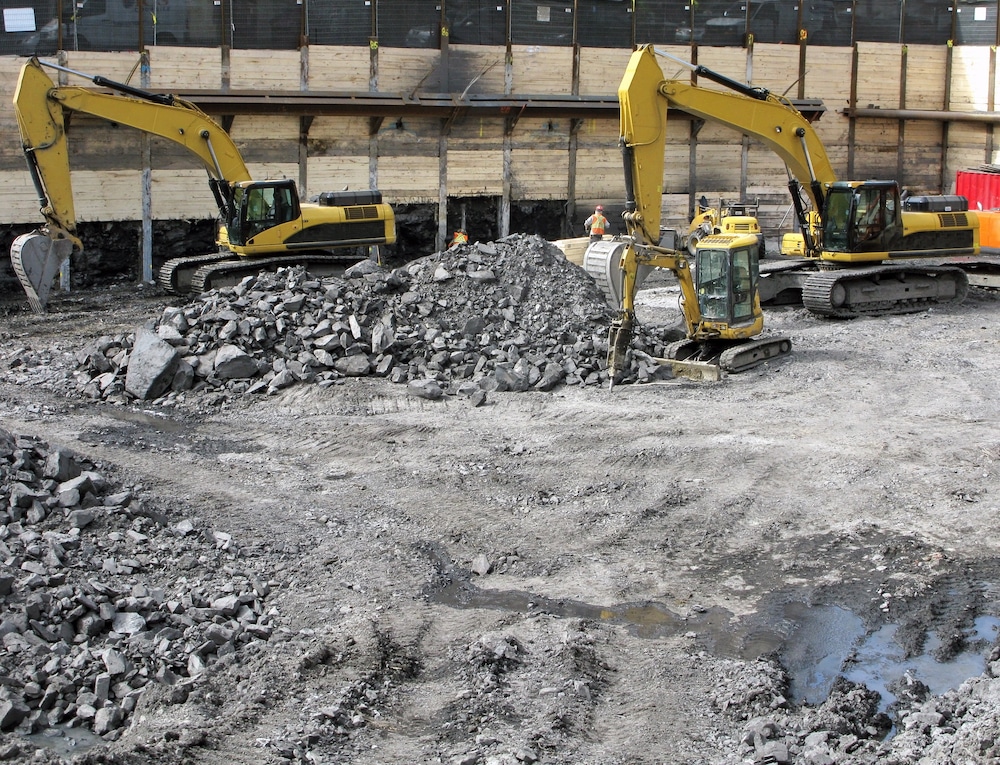
Industrial demolition relies on high-capacity excavators, cranes, saw-cutting, and lifting equipment capable of breaking down dense structural elements efficiently and safely.
Summary: Industrial demolition deals with complex structures, hazardous materials, and large-scale equipment that require specialist handling and strict safety processes.
Commercial vs Industrial Demolition in Brisbane: At a Glance
Factor
Commercial Demolition
Industrial Demolition
Typical Sites
Offices, retail stores, restaurants, hotels
Factories, plants, warehouses, power stations
Primary Challenges
Public access, business continuity, tight access
Hazardous materials, structural complexity, heavy machinery
Common Materials Involved
Partition walls, fixtures, standard construction materials
Steel frames, reinforced concrete, industrial equipment
Required Equipment
Smaller excavators, selective dismantling tools
Cranes, high-capacity excavators, cutting and lifting equipment
Regulatory Focus
Pedestrian safety, noise and dust control
Hazardous material management, environmental compliance
Timeline
Often shorter
Longer due to remediation and complexity
Cost
Moderate, affected by access
Higher due to size, contamination risks, and specialist equipment
Factor
Commercial Demolition
Typical Sites
Offices, retail stores, restaurants, hotels
Primary Challenges
Public access, business continuity, tight access
Common Materials Involved
Partition walls, fixtures, standard construction materials
Required Equipment
Smaller excavators, selective dismantling tools
Regulatory Focus
Pedestrian safety, noise and dust control
Timeline
Often shorter
Cost
Moderate, affected by access
Factor
Industrial Demolition
Typical Sites
Factories, plants, warehouses, power stations
Primary Challenges
Hazardous materials, structural complexity, heavy machinery
Common Materials Involved
Steel frames, reinforced concrete, industrial equipment
Required Equipment
Cranes, high-capacity excavators, cutting and lifting equipment
Regulatory Focus
Hazardous material management, environmental compliance
Timeline
Longer due to remediation and complexity
Cost
Higher due to size, contamination risks, and specialist equipment
This table shows why selecting the correct demolition category matters from day one. The wrong contractor or equipment choice can slow progress and inflate costs.
Site Access and Equipment Differences
Commercial demolition in Brisbane’s CBD and suburban retail areas often involves tight access points, pedestrian traffic, and restrictions on when machinery can operate. Smaller, more agile equipment is used to navigate laneways, car parks, and shared commercial zones.
Road closures require council approval, and deliveries may only occur at set times. Equipment is selected to avoid disruption to neighbouring businesses.
Industrial demolition typically offers better access. Sites are larger, machinery movements are less restricted, and contractors can operate high-capacity demolition equipment without affecting surrounding residential areas.
Safety and Regulatory Requirements
Both demolition types must comply with Queensland workplace health and safety legislation, but industrial demolition includes additional requirements due to site hazards.
Industrial projects may require:
- Hazardous material assessments and removal
- Environmental management plans
- Specialist permits for fuel or chemical storage
- Confined space procedures
- Soil remediation after demolition
Commercial demolition focuses more on:
- Public safety barriers
- Footpath and pedestrian management
- Noise and dust suppression
- Vibration monitoring for nearby structures
Summary: Industrial demolition is regulation-heavy and environment-focused, whereas commercial demolition focuses on public interface and access safety.
Demolition Methods and Timelines
Commercial buildings are usually dismantled using mechanical demolition with selective removal to protect neighbouring structures. Timelines are influenced by business operations, traffic interruptions, and daytime work limitations.
Industrial sites often require staged demolition due to structural scale, hazardous elements, and machinery removal. Soil remediation, decontamination, and equipment disposal add time, which means industrial demolition typically runs longer than commercial projects.
Waste Management and Material Recovery
Both project types recycle materials, but waste composition differs significantly.
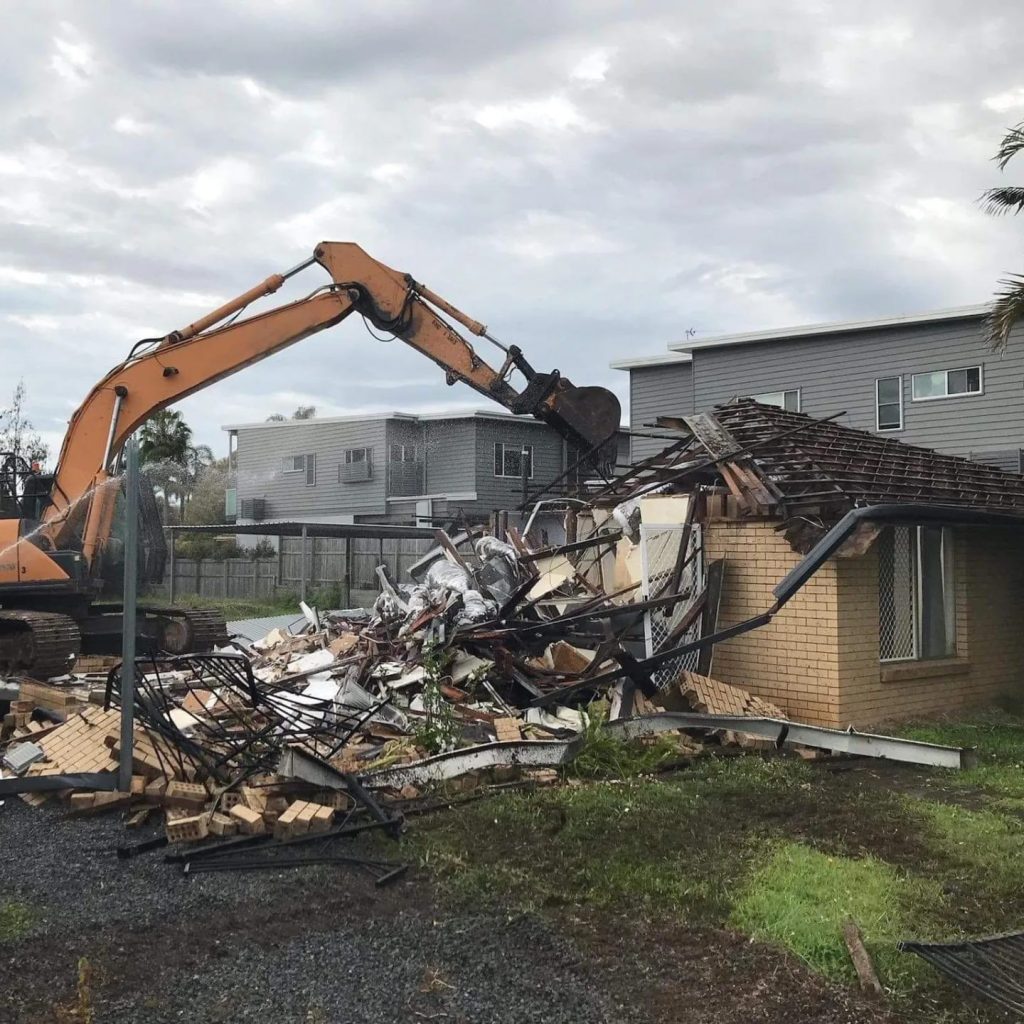
Commercial demolition generates fixtures, doors, ceilings, and standard building materials that are easily sorted and recycled.
Industrial demolition involves large steel frames, reinforced concrete, and specialised equipment, often requiring heavy lifting and hazardous disposal facilities.
Cost Differences
Industrial demolition costs are generally higher due to
- Larger structures
- Specialist machinery
- Hazardous material removal
- Extended project timelines
- Site remediation
Commercial demolition costs vary depending on building access, working-hour restrictions, and public interface requirements.
Choosing the Right Demolition Service in Brisbane
Understanding whether your project is commercial or industrial ensures you choose the right contractor and avoid regulatory, cost, or timeline issues. Each demolition type demands different expertise, machinery, and risk management strategies.
Next Gen Demolition provides both commercial and industrial demolition services across Brisbane. Our team handles site assessments, permits, hazardous material checks, and demolition sequencing tailored to your site’s conditions.
Whether clearing a retail tenancy or decommissioning an industrial facility, we ensure your demolition is safe, compliant, and efficient.