
When you need to remove an old structure in Brisbane, choosing between deconstruction and traditional demolition can significantly impact your recycling potential and project costs. Both methods clear your site, but they differ dramatically in approach, waste management, and environmental outcomes.
Understanding which option suits your Brisbane property helps you make informed decisions about sustainability, material recovery, and overall project expenses.

What Deconstruction Involves
Deconstruction systematically dismantles buildings piece by piece. Workers carefully remove materials like timber frames, bricks, metal fixtures, and roofing sheets for potential reuse or recycling.
This labour-intensive method requires skilled teams who understand structural integrity. They strip interiors first, then work on external walls and roofing. Brisbane’s older Queenslanders often contain valuable hardwood timber worth salvaging.
The process takes longer than demolition but can recover significantly more materials. Copper piping, steel beams, and heritage bricks can be sold or donated, potentially offsetting labour costs.
How Traditional Demolition Works
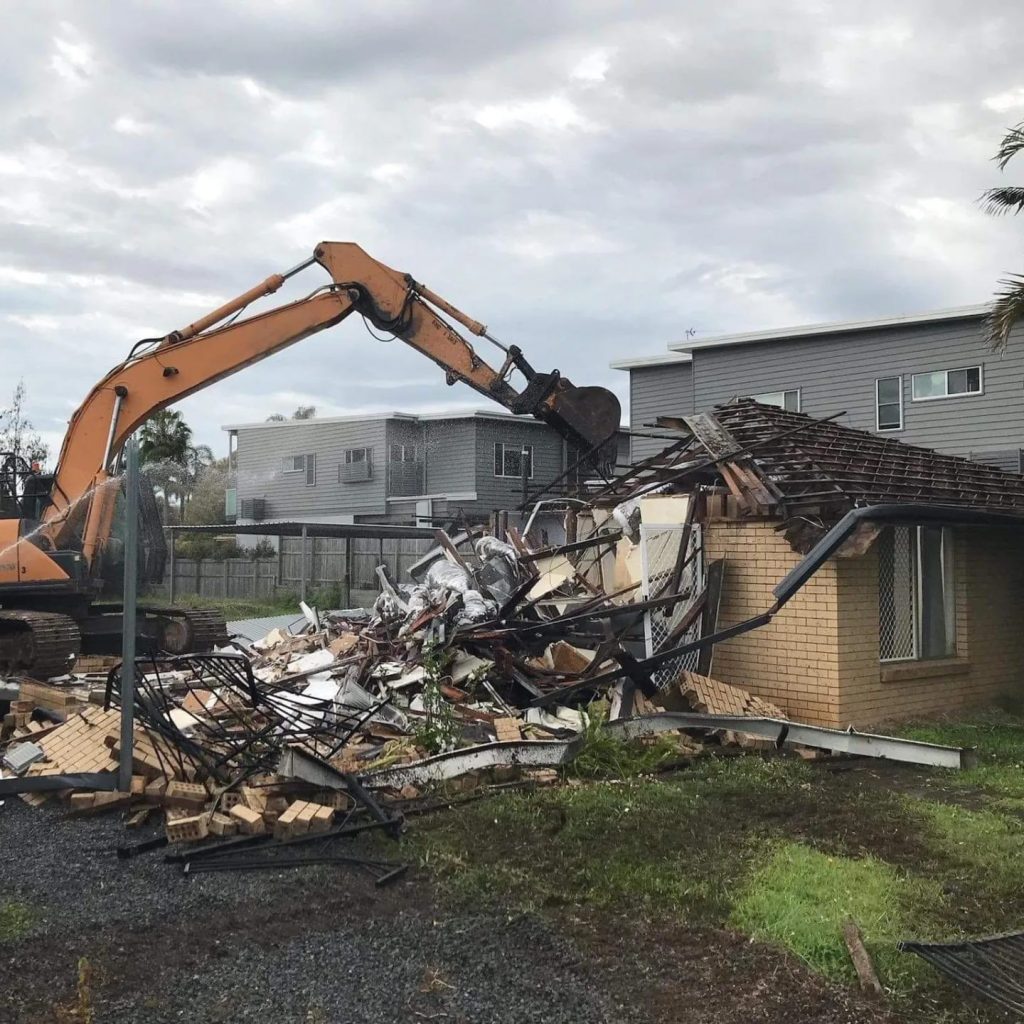
Traditional demolition services in Brisbane use heavy machinery to bring down structures quickly. Excavators with hydraulic attachments crush walls, while loaders clear debris into trucks for removal.
This method suits tight timelines when speed matters more than material recovery. Most demolished materials end up mixed together, making sorting difficult. Some concrete and metal get separated at transfer stations, but mixed materials like timber and bricks are harder to recycle and often end up in landfill.
Brisbane’s subtropical climate means demolished timber may contain termite or moisture damage, reducing its salvage value. Next Gen Demolition uses controlled demolition techniques that minimise dust and debris spread to neighbouring properties.
Recycling Potential Comparison
Deconstruction can recover a high percentage of materials when conditions allow. Timber, bricks, and metals remain separated and clean throughout removal. This makes them easier to recycle or reuse in new construction projects.
Traditional demolition typically recovers a lower percentage because materials are mixed during teardown. Concrete is often crushed for road base, and metals can be separated, but timber and plasterboard are less likely to be recycled.
Brisbane property owners concerned about environmental impact often prefer deconstruction for heritage homes. However, modern structures with less valuable materials might not justify the extra time and cost.
Cost Considerations for Brisbane Properties
Deconstruction costs more upfront due to labour requirements. Teams spend days or weeks carefully removing materials. However, salvaged items can reduce net costs. Hardwood from older Brisbane homes sometimes fetches reasonable prices.
Traditional demolition works faster and costs less initially. Heavy machinery completes most projects within days. You’ll pay for equipment hire, labour, and waste disposal, but total expenses remain predictable.
For typical Brisbane houses, demolition usually proves more economical. Deconstruction makes financial sense mainly when structures contain high-value materials or when council or project requirements favour waste diversion.
Timeline and Project Management
Deconstruction timelines stretch considerably longer. A standard Queenslander might take 2–4 weeks to deconstruct properly. Weather impacts outdoor work, and finding buyers for salvaged materials adds time.
Demolition typically completes within 1–5 days depending on structure size and site conditions. Brisbane’s climate generally supports quick teardowns, and site clearing follows soon after, preparing land for construction.
Builders and developers working to tight schedules usually choose demolition. Next Gen Demolition manages permits, safety compliance, and waste disposal, keeping Brisbane projects on track.
Environmental Impact in Brisbane
Brisbane faces growing landfill challenges. Deconstruction can significantly reduce waste sent to disposal sites. Materials stay in circulation, lowering demand for new resources.
Traditional demolition generates larger volumes of mixed waste that are harder to recycle. However, responsible demolition contractors in Brisbane separate concrete and metals where practical.
Regulations and council planning conditions increasingly encourage waste minimisation. Some developments include waste diversion targets or reporting requirements. Understanding your project’s environmental obligations helps determine the best approach.
Choosing the Right Method for Your Brisbane Project
Your decision should consider structure age, material value, timeline, and budget. Heritage Queenslanders with hardwood frames often warrant deconstruction. Modern brick veneer homes typically don’t contain enough valuable materials to justify the extra cost.
Projects with flexible timelines and environmental priorities suit deconstruction better. Developments needing rapid site preparation benefit from traditional demolition’s speed and efficiency.
Next Gen Demolition assesses Brisbane properties to recommend the most practical approach. We handle all demolition requirements, ensuring safe, compliant removal that suits your project goals and budget. Contact us for a free quote for your Brisbane demolition.