
Planning a demolition on the Gold Coast? The rules do differ from Brisbane, and getting them wrong can cost you time and money. From council approvals to noise restrictions, understanding the local requirements can be the difference between a smooth project and compliance headaches.
Here is what property owners and developers need to know about Gold Coast demolition regulations compared to Brisbane’s requirements.
Different Councils, Different Rules
While both regions operate under Queensland state legislation, Gold Coast City Council and Brisbane City Council apply their own local laws and planning schemes to demolition work. That means two similar demolition projects can face different approval pathways depending on which council area they sit in.
On both the Gold Coast and in Brisbane, most full house demolitions will need building approval, usually issued by a private certifier and then lodged with council. In some cases you will also need a development application, particularly where the property is affected by overlays, zoning constraints or heritage protections under each city’s planning scheme.
Brisbane has well known protections for pre-1946 character homes in many suburbs, while the Gold Coast is continually updating its own overlays around local character, coastal areas and environmental values. A house that is straightforward to demolish in one council area may require extra assessment in the other.
Notification requirements can also differ. In practice, both councils often expect neighbours to be notified before major demolition works start, and conditions about how and when this is done are usually set out in approvals or in a noise or construction management plan.
Noise and Operating Hours on the Gold Coast
Demolition on the Gold Coast is regulated under Queensland’s building work noise rules, which also apply in Brisbane. In both regions, noisy building work (including demolition) is generally only allowed between 6:30 am and 6:30 pm Monday to Saturday, with no noisy work on Sundays or public holidays unless specific approval is granted.
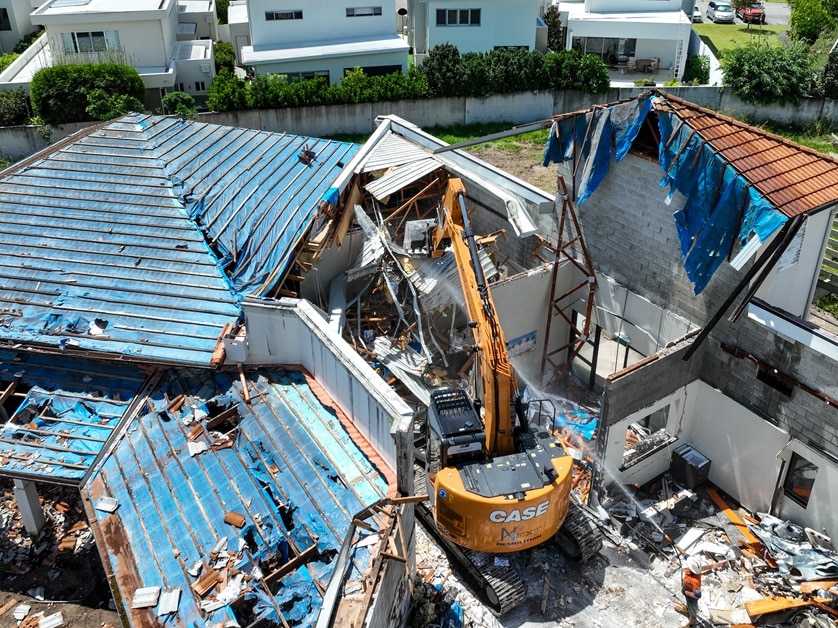
Gold Coast City Council can impose additional conditions on sensitive sites such as tourist areas, schools and busy commercial precincts. Brisbane uses similar time windows but has its own process for “out of hours” construction approvals where there is a strong justification, for example major traffic management or safety reasons.
If your Gold Coast demolition project needs work outside standard hours, you will usually require specific approval in advance, often supported by a noise management plan that sets out how impacts on neighbours will be reduced.
Environmental Protection Requirements
Both councils enforce environmental protection during demolition, but the Gold Coast’s proximity to beaches, waterways and canal estates means there is particular focus on dust, sediment and runoff.
Typical Gold Coast demolition requirements include:
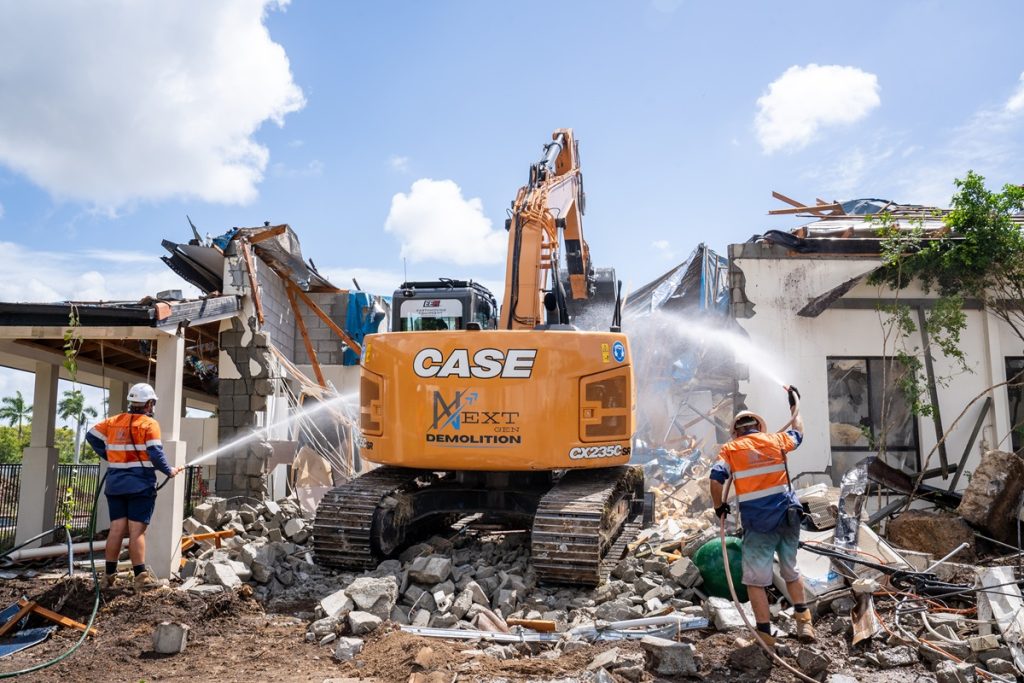
- Dust control measures such as water suppression on active work areas
- Controls to stop debris and sediment entering kerb inlets and the stormwater system
- Correct handling, transport and disposal of asbestos in line with Queensland’s work health and safety regulations.
Asbestos rules are set at state level, so the basic obligations are the same in Brisbane and on the Gold Coast. In both areas you will usually need an asbestos survey or inspection for older buildings before approval and must use licensed asbestos removalists where asbestos is present.
Waste disposal obligations are similar across both councils, with a strong emphasis on recycling concrete, bricks and metals at approved facilities and ensuring transport and tipping follow local requirements.
Heritage and Character Home Protections
Both councils protect heritage-listed buildings, but their character housing controls are not identical.
Brisbane
has long-standing protections for many pre-1946 homes under its Traditional Building Character Overlays, which significantly limit what demolition can occur without specific assessment.
Gold Coast
uses its own City Plan and overlays to identify heritage places and local character areas, particularly in older suburbs and near key coastal precincts. Properties that may have been straightforward to clear in the past can now trigger additional assessment or conditions.
Before you plan a demolition on the Gold Coast, it is essential to check the property’s zoning and overlays in the City Plan. What looks like a standard dwelling can still be constrained by heritage or character controls.
Tree Protection and Vegetation Management
Tree and vegetation controls are another area where the details differ between councils.
- Both Brisbane and the Gold Coast use local laws and planning overlays to protect significant vegetation, trees near waterways and important habitat areas.
- On the Gold Coast, many residential properties are affected by vegetation overlays that can limit removal of mature trees, even during demolition. Arborist reports and specific permits may be required, particularly for large trees, street trees or vegetation near creeks and drainage lines.
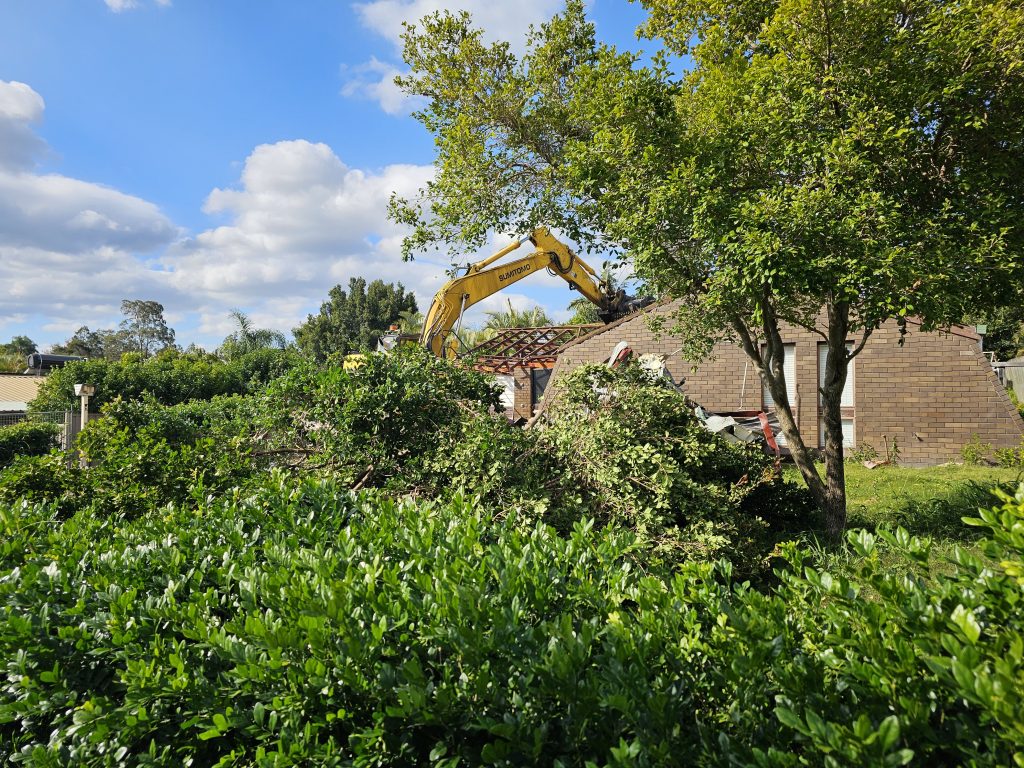
Unapproved removal of protected vegetation can lead to substantial penalties, and both councils actively enforce these rules. Early checks and proper arborist advice are critical when planning access routes, machinery locations and temporary stockpile areas for a demolition site.
Site Safety, Fencing and Traffic Management
Gold Coast City Council requires appropriate temporary fencing and hoarding to keep demolition sites secure and protect the public. Requirements for minimum fence heights, signage and separation from footpaths and roads may be specified as approval conditions, particularly on busy streets or near public spaces. Similar obligations apply in Brisbane, but the detail of what must be installed and when is determined by each council’s standards.
Where demolition affects a public road or footpath, a traffic management plan is usually required. This may cover temporary lane closures, pedestrian detours, truck movements and on-street parking changes. Both councils expect these plans to meet Queensland traffic control standards, but the approval process and documentation can differ.
Next Gen Demolition manages these requirements on projects across Brisbane and the Gold Coast, ensuring fencing, signage and traffic measures meet the specific expectations of each council.
Timeframes and Approval Processes
For straightforward residential demolitions, approvals on the Gold Coast often take a few weeks once all necessary information is lodged, though complex sites, heritage properties or projects with environmental constraints can take longer. Brisbane’s indicative timeframes are similar, but the internal assessment pathways and departments involved are different.
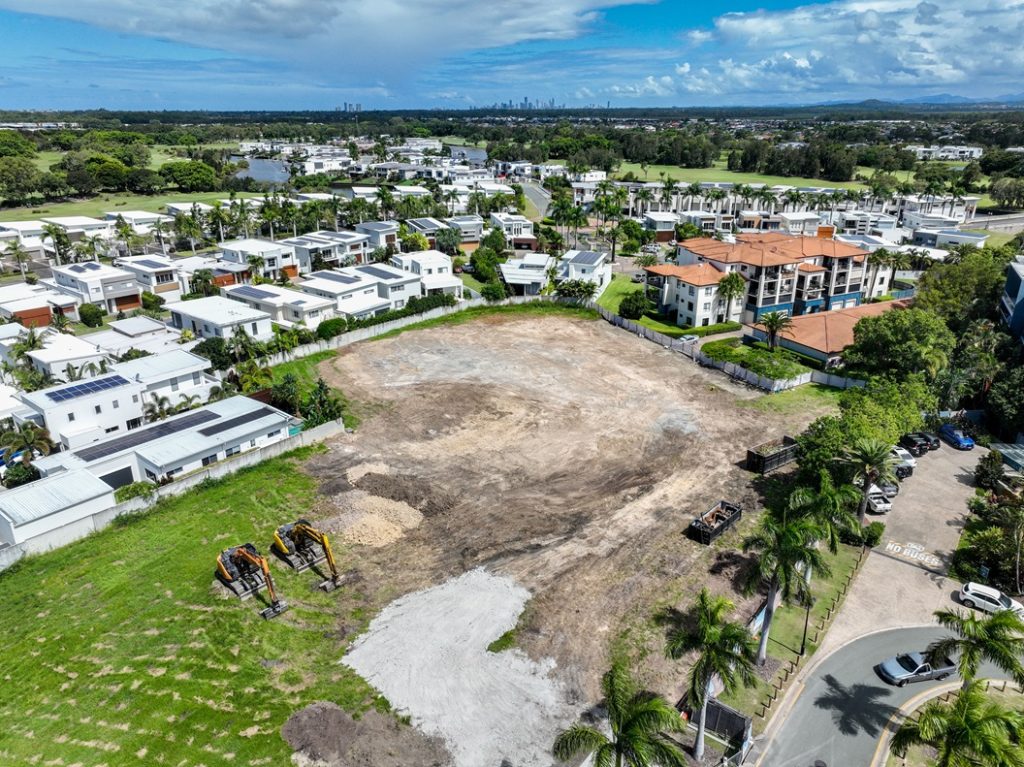
On the Gold Coast, private building certifiers play a central role in issuing building approvals for demolition and in ensuring conditions are lodged correctly with council. The same is true in Brisbane, but certifiers must be familiar with that council’s planning scheme, character overlays and noise conditions.
Inspection stages during demolition can also vary between councils. The Gold Coast may require notification at specific milestones such as service disconnections, asbestos removal completion or final site clearance, while Brisbane’s inspection points are set under its own processes and development conditions.
Stormwater and Erosion Control
The Gold Coast’s sub-tropical climate and extensive waterways make stormwater and erosion control a high priority. Heavy rain events can occur at any time of year, so demolition approvals and site management plans typically require:
- Sediment fencing along low points and property boundaries
- Controls to prevent dirty water leaving the site
- Stabilisation of exposed soil where possible before the next stage of development. This is the supporting fact sheet.
Brisbane projects face similar requirements, but the Gold Coast’s many canal estates, creeks and coastal areas mean council often places particular emphasis on protecting nearby waterways. Non-compliance can lead to stop-work notices and rectification directions.
Why Local Expertise Matters for Demolition on the Gold Coast
Understanding the specific requirements for demolition on the Gold Coast versus Brisbane is not just about ticking compliance boxes. It affects:
- How quickly your approvals are issued
- Whether you can meet your preferred timeline
- Your risk of delays, fines or having to redo work that does not meet local standards.
Working with a demolition company that regularly handles projects on the Gold Coast means applications are prepared correctly the first time, neighbours are notified appropriately, and site controls align with council expectations as well as state legislation.
Next Gen Demolition works throughout Brisbane and the Gold Coast and understands how each council operates. Whether you are clearing a residential block or preparing a commercial site for redevelopment, we manage the local approval pathways, noise and environmental requirements that make each area different.