
Before any demolition project begins, one of the most important steps is identifying whether asbestos is present. Many properties built before the late 1980s contain asbestos in some form, and failing to recognise it early can lead to serious delays, safety risks, and unexpected costs.
If you are planning demolition in Brisbane or the Gold Coast, understanding how asbestos is identified and what this means for your project will help you prepare properly and avoid disruption once work is underway.
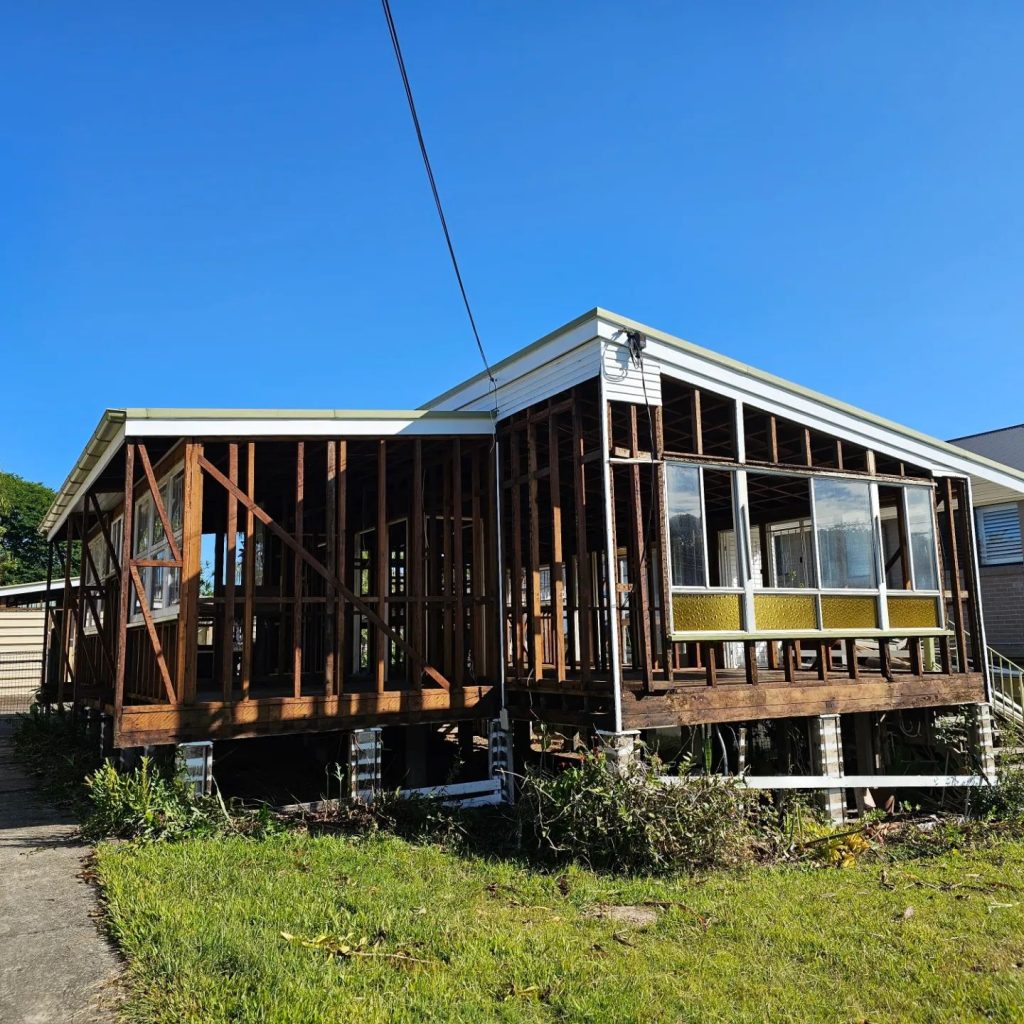
Why Asbestos Identification Is Critical Before Demolition
Asbestos must be identified and removed before demolition can proceed. This is not just a safety requirement, it directly affects how your project is planned and scheduled.
If asbestos is discovered after demolition has started, work may need to stop immediately. This can delay the project while testing and removal are organised, often pushing timelines back by weeks. It can also result in:
- Additional costs that were not included in the original quote
- Rebooking of contractors and equipment
- Disruption to any planned construction timeline
Identifying asbestos early allows it to be managed properly so demolition can proceed without interruption.
Where Asbestos Is Commonly Found in Properties
Asbestos was widely used in building materials, particularly in homes built or renovated before modern standards were introduced. It is often present in more areas than people expect. Common locations include:
- Wall and ceiling sheeting
- Eaves and external cladding
- Roofing materials and insulation
- Flooring and backing materials
- Fencing, garages, and outbuildings
Because asbestos can be spread across multiple parts of a property, checking only one area is rarely enough. A full inspection helps determine the extent of the issue and how it needs to be managed.
Signs That Asbestos May Be Present
While asbestos cannot always be confirmed visually, there are common indicators that suggest it may be present. These include:
- Properties built before the late 1980s
- Fibrous cement-style sheeting or panels
- Older vinyl flooring or backing materials
- Materials that appear brittle, weathered, or deteriorating
These signs do not confirm asbestos, but they should be treated as a warning. Assuming materials are safe without proper testing is one of the most common causes of project delays.
Why Professional Asbestos Inspection Is Recommended
The most reliable way to identify asbestos is through a professional inspection. Licensed inspectors can assess the property and arrange testing where required. A professional inspection typically involves:
- A detailed visual assessment of the property
- Sampling of suspected materials
- Laboratory testing to confirm results
This provides certainty and allows you to plan your demolition with confidence. It also ensures that all safety and compliance requirements are met before work begins.
How Asbestos Affects the Demolition Process
Once asbestos is identified, it must be removed before demolition can proceed. This is a separate process that needs to be planned and scheduled. The presence of asbestos can affect:
- Project timelines, as removal must be completed first
- Costs, depending on how much material is present
- The sequencing of demolition and site preparation
In some cases, asbestos removal is straightforward. In others, particularly where it is widespread, it can significantly change how the project is staged.
Planning for this early ensures that demolition itself can proceed smoothly once removal is complete.
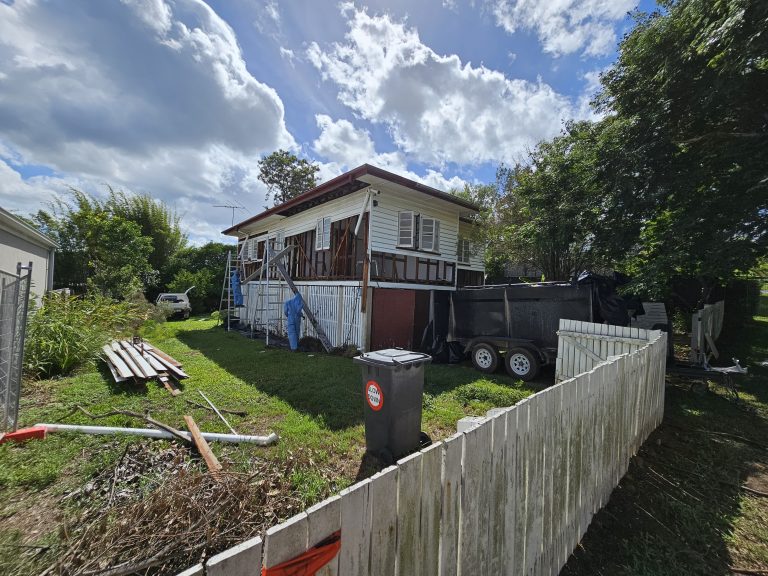
Common Mistakes When Identifying Asbestos
Many issues arise not from asbestos itself, but from how it is handled during planning. Common mistakes include:
- Assuming the property does not contain asbestos
- Relying on visual inspection alone
- Not allowing enough time for testing and removal
- Failing to clarify responsibility in the demolition quote
These mistakes often lead to delays, additional costs, and unnecessary disruption.
Planning for Asbestos Removal Before Demolition
Once asbestos has been identified, the next step is to plan for its safe removal. This should be built into your timeline and budget from the beginning. Key considerations include:
- Scheduling removal before demolition begins
- Using licensed professionals for all removal work
- Ensuring materials are disposed of correctly
- Coordinating removal with the overall project schedule
A well-planned approach allows demolition to proceed without delays once the site is cleared.
Start Your Demolition Project Safely
Identifying asbestos before demolition is essential for protecting safety, avoiding delays, and keeping your project on track. Taking the time to organise proper inspection and removal ensures the demolition process can proceed with confidence.
Whether your project is in Brisbane or the Gold Coast, Next Gen Demolition can guide you through asbestos identification and removal, helping you prepare your site safely and efficiently.