
Demolition Brisbane projects generate enormous volumes of material every year. Houses, commercial buildings, and ageing structures all eventually reach the end of their lifespan, raising an important question about where the waste goes once they come down.
The demolition industry has evolved significantly. What was once a simple knockdown-and-remove approach is now a structured process focused on material recovery, recycling, and responsible waste management. This shift is driven by environmental responsibility, rising landfill levies, and increasingly strict regulations governing demolition Brisbane projects.
What Actually Happens to Demolished Materials in Brisbane
When a professional demolition contractor begins a project in Brisbane or the Gold Coast, planning starts well before machinery arrives on site. Materials are assessed to determine what can be salvaged, recycled, or responsibly disposed of.
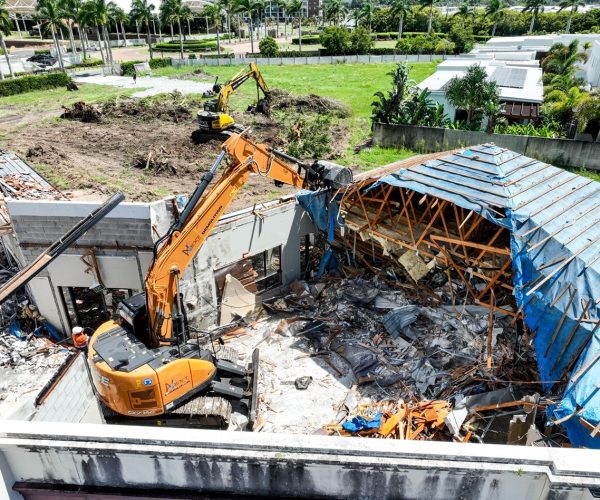
Concrete and masonry typically make up the largest portion of demolition waste. Rather than being sent to landfill, concrete is commonly crushed and reused as road base, construction aggregate, or engineered fill. Bricks may be cleaned and reused or crushed for landscaping and civil applications.
Timber is sorted by quality and condition. Clean hardwood may be salvaged for reuse, while lower-grade timber can be processed into mulch, compost material, or biomass fuel where permitted.
Metals such as steel framing, copper piping, aluminium windows, and roofing are separated and sent to scrap metal recyclers. These materials retain strong value and can be recycled repeatedly without degradation.
Queensland’s environmental framework encourages recycling and responsible disposal of construction and demolition waste.
Why Brisbane’s Climate Makes Demolition Waste Management Different
Brisbane’s subtropical climate presents unique challenges for demolition projects. High humidity accelerates material degradation, and warm conditions year-round mean demolition and construction activity rarely slows.
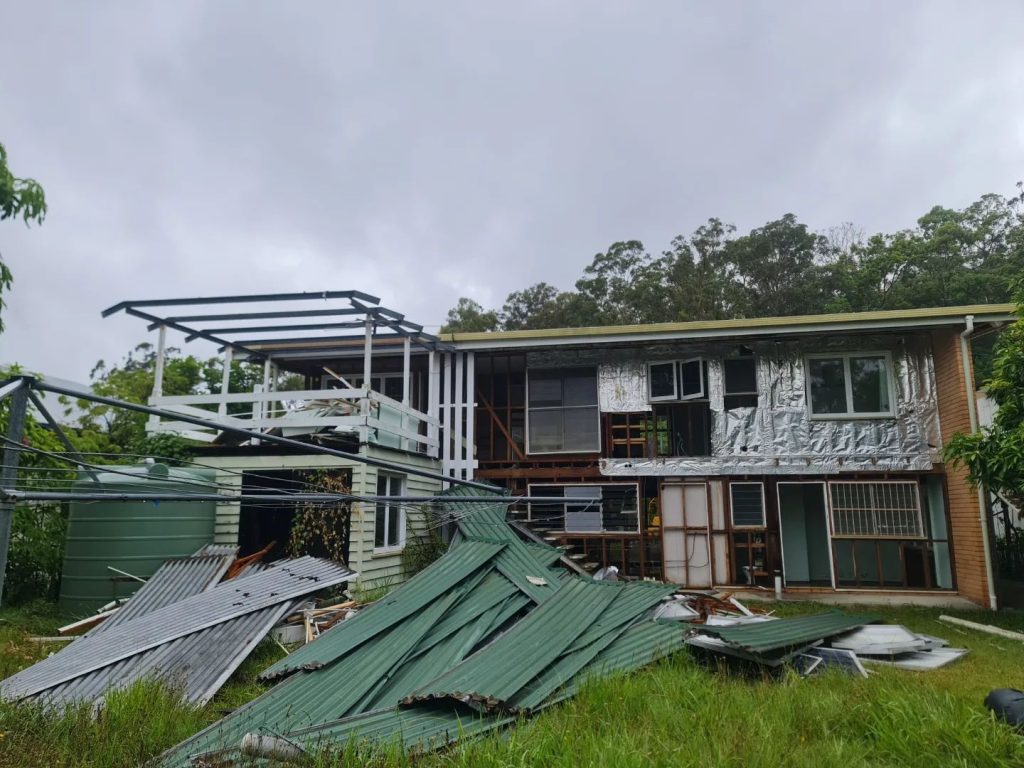
Severe weather events, including storms and cyclones, can create sudden demolition requirements. In these situations, damaged materials must be assessed quickly to separate contaminated waste from recyclable material. Water-damaged timber may be unsuitable for reuse but can still be diverted from landfill through approved processing.
Coastal conditions along the Gold Coast add another layer of complexity. Salt exposure can degrade certain materials, while metal components from coastal properties may attract higher scrap value due to corrosion-resistant specifications.
The Real Benefits of Recycling Demolition Materials
Recycling is not just an environmental decision. It delivers practical benefits for demolition Brisbane projects.
Lower project costs
Diverting waste from landfill reduces disposal fees and landfill levies. When materials such as metal and concrete have resale or reuse value, those savings can be reflected in demolition pricing.
Faster site clearance
Separated materials are processed and removed more efficiently than mixed waste. This improves site turnaround times and helps projects progress to the next construction stage sooner.
Regulatory compliance
Brisbane City Council and other authorities require waste management planning for many demolition projects.
Professional recycling practices help ensure compliance and reduce the risk of penalties or project delays.
Community benefit
Recovered materials often re-enter the local economy. Salvaged bricks, concrete, and timber are reused by builders, landscapers, and homeowners across Brisbane and South East Queensland.
How Professional Demolition Teams Handle Hazardous Materials
Not all demolition materials can be recycled. Hazardous substances require specialist handling to protect workers, the community, and the environment.
Asbestos remains common in Brisbane homes built before 1990. Asbestos must be identified and removed by licensed professionals before demolition begins and disposed of at approved facilities.
Lead-based paint found on older structures requires controlled removal. Timber contaminated with lead cannot enter standard recycling streams and must be treated as hazardous waste.
Treated pine and CCA-treated timbers contain chemical preservatives that prevent reuse as mulch or fuel. These materials are separated and disposed of through approved waste channels.
Professional demolition contractors manage these materials in line with Queensland environmental and workplace safety regulations.
What Gets Sent to Landfill from Brisbane Demolition Projects
Despite best efforts, some materials cannot currently be recycled or reused. Composite products made from mixed materials, heavily contaminated waste, and certain plastics lack viable recycling pathways.
Items such as carpet and underlay often end up in landfill, although recycling options are improving for some synthetic products. Laminated materials that cannot be separated are also typically disposed of.
This is why professional demolition Brisbane teams focus on on-site separation. Keeping recyclable materials clean reduces contamination and maximises landfill diversion.
The Economics Behind Demolition Recycling
Recycling demolition waste makes financial sense as well as environmental sense.
Landfill fees in Queensland continue to rise, increasing the cost of disposal. Diverting materials to recycling reduces these costs and improves overall project efficiency.
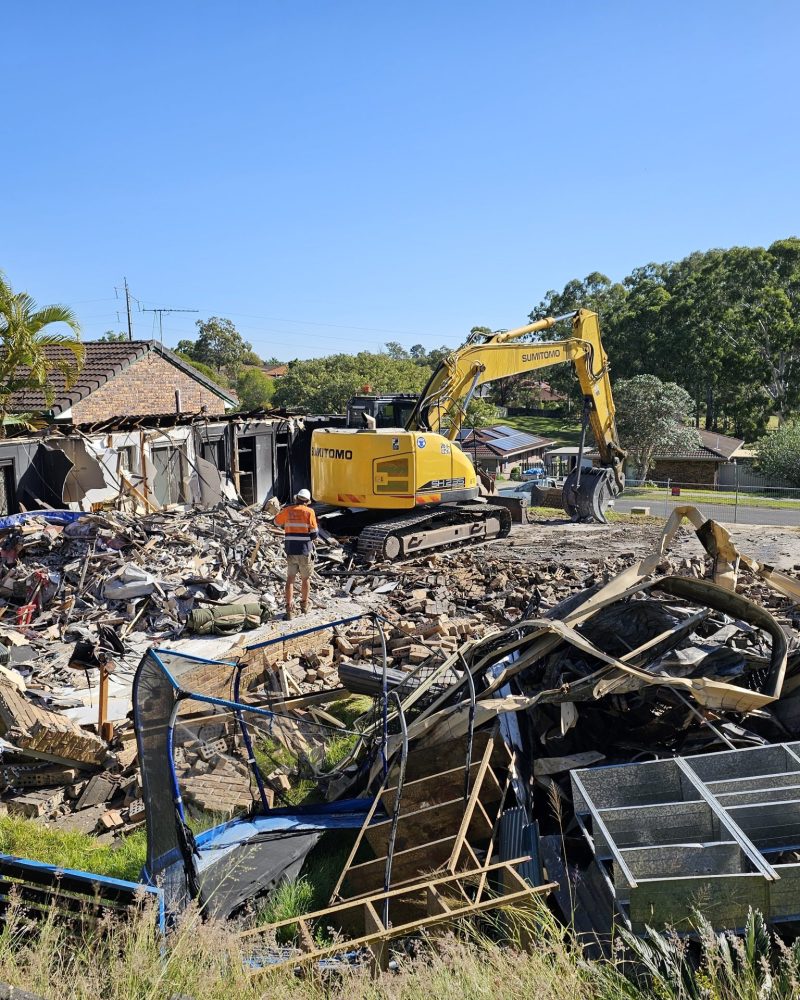
Concrete crushing on larger demolition sites allows waste to be converted into usable fill material immediately. This reduces transport costs and shortens project timelines by eliminating the need to remove and replace material.
Metals generate direct revenue through scrap dealers and recyclers, offsetting demolition expenses and improving cost outcomes for property owners.
How Brisbane Demolition Regulations Drive Better Waste Management
Queensland environmental regulations require demolition contractors to track and document waste disposal. This accountability encourages higher recycling rates and responsible handling across the industry.
Waste management plans outline how each material type will be handled and where it will be sent. Contractors must retain waste dockets and disposal records to demonstrate compliance.
These requirements also protect property owners. When licensed demolition contractors manage waste correctly, responsibility for disposal compliance rests with the contractor rather than the property owner.
What Property Owners Should Know About Demolition Waste
If you are planning a demolition Brisbane project, understanding waste management helps you select the right contractor.
Ask demolition companies how materials are separated and recycled. Reputable operators will clearly explain their processes and disposal pathways.
Enquire about landfill diversion rates. Professional demolition contractors often divert 70 to 80 percent or more of materials away from landfill on standard residential projects.
Ensure demolition quotes clearly separate waste disposal costs. Transparency indicates that material management has been considered from the outset rather than treated as an afterthought.
The Future of Demolition Waste in Brisbane
Advances in recycling technology continue to improve how demolition waste is processed. Automated sorting systems, expanded recycling markets, and circular economy initiatives are increasing material recovery rates.
Brisbane’s continued growth means demolition activity will remain strong, creating opportunities to scale recycling infrastructure and reduce landfill reliance across South East Queensland.
Professional demolition companies that invest in training, equipment, and recycling partnerships are best positioned to deliver environmentally responsible outcomes.
Why Choose Professional Demolition Services in Brisbane
Responsible waste management in demolition requires expertise, specialised equipment, and established relationships with recycling facilities. DIY or unlicensed demolition often leads to improper disposal, regulatory breaches, and higher long-term costs.
Professional demolition companies understand which materials have value, how to separate them effectively, and how to minimise landfill waste while maintaining compliance.
Next Gen Demolition delivers demolition Brisbane services across Brisbane and the Gold Coast with a strong focus on recycling, environmental responsibility, and regulatory compliance. From hazardous material handling to final site clearance, our team manages every stage of the process professionally.