
House demolition carries serious risks that can endanger workers, neighbouring properties, and the public if not managed correctly. From structural collapse to airborne asbestos exposure, demolition work requires strict safety controls and experienced professionals who understand how to manage these hazards effectively.
Professional contractors specialising in house demolition Brisbane projects apply structured safety systems designed to protect people, property, and the surrounding environment. Understanding these risks helps explain why demolition should always be handled by licensed and qualified experts.

Structural Collapse During Demolition
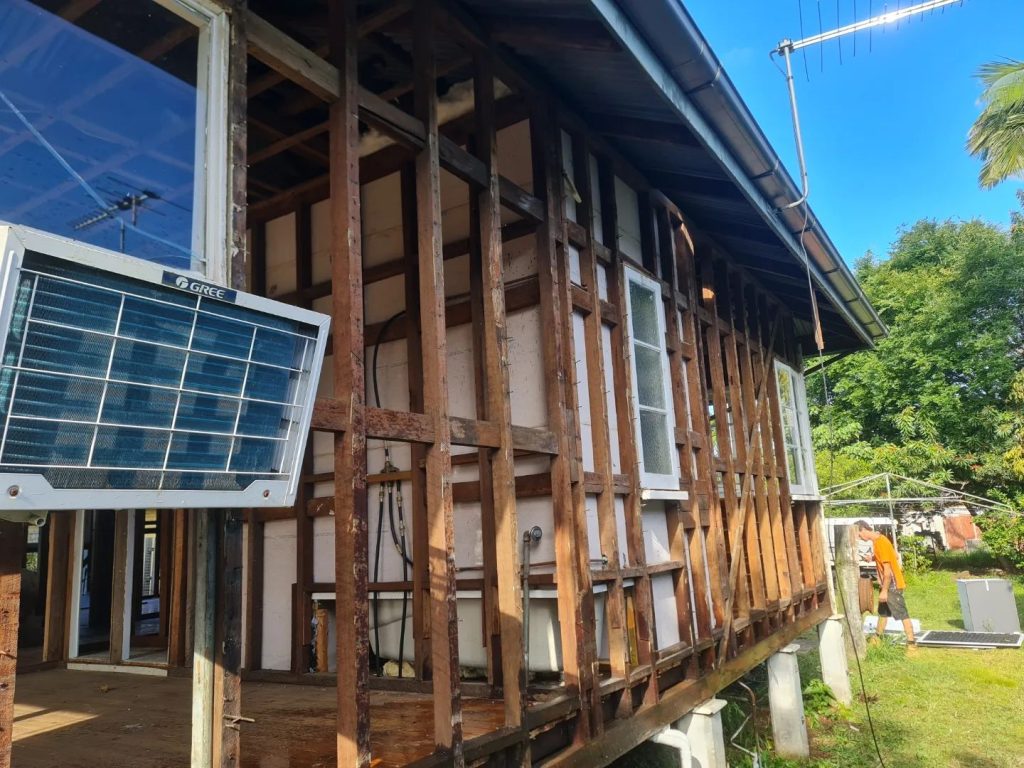
One of the most significant risks during house demolition is uncontrolled structural collapse. Buildings do not always fail in predictable ways, particularly older homes that may have hidden structural weaknesses or undocumented alterations.
Load-bearing wall identification is a critical challenge. Many Brisbane houses have undergone renovations over decades, with walls added or removed without updated documentation. Removing the wrong element can cause sudden collapse, placing workers and nearby properties at risk.
Professional demolition teams conduct detailed structural assessments before work begins. This process often involves engineering input to assess load paths, identify compromised materials, and establish a safe demolition sequence that maintains stability throughout the project.
Brisbane’s subtropical climate adds complexity. Timber frames may suffer from termite damage or moisture-related rot that is not visible externally. These hidden defects increase the likelihood of unexpected failures during demolition.
Asbestos Exposure Hazards
Homes built before 1990 commonly contain asbestos in roofing, wall linings, insulation, eaves, and flooring. When disturbed during demolition, asbestos fibres can become airborne and pose serious long-term health risks.
Queensland regulations require asbestos to be identified, handled, and disposed of by licensed professionals under strict safety controls.
Improper handling can contaminate neighbouring properties and soil, exposing owners to serious legal consequences under workplace health and safety and environmental laws.
Underground Service Strikes
Electrical cables, gas lines, water mains, and telecommunications services run beneath most Brisbane properties. Striking underground services during demolition can result in electrocution, gas leaks, flooding, or widespread service outages.
Professional demolition teams conduct service location investigations before machinery enters the site. This involves reviewing available plans and conducting on-site detection to confirm the location of underground utilities.
Older Brisbane properties may contain undocumented service connections, abandoned tanks, or obsolete infrastructure that does not appear on council records. Experienced contractors use detection equipment and cautious excavation methods to identify these hazards before disturbance.
Even disconnected services can pose risks. Old fuel tanks, septic systems, or unused electrical conduits can create dangerous conditions if disturbed without proper investigation.
Dust and Airborne Contaminants
House demolition generates large amounts of dust containing silica, lead paint particles, and other hazardous materials. In Brisbane’s residential suburbs, uncontrolled dust can affect neighbours and lead to regulatory breaches.
Dust suppression measures are required under Queensland safety and environmental standards.
Professional demolition teams use water suppression systems, physical barriers, and controlled demolition techniques to limit airborne particles and protect surrounding areas.
Brisbane’s changing weather conditions require adaptable dust control strategies. Wind strength and direction can change throughout the day, and experienced demolition crews adjust their approach in response to real-time conditions.
Silica dust released from concrete and masonry poses serious long-term health risks. Effective respiratory protection and dust management are essential to prevent chronic respiratory disease among workers.
Equipment Operation Risks
Excavators, bobcats, and other heavy machinery used in demolition present significant risks if operated incorrectly. Crush injuries, rollovers, and collisions can occur without proper training and site planning.
Equipment safety is especially critical in Brisbane’s established suburbs, where access can be limited by narrow driveways, overhead power lines, and close proximity to neighbouring homes.
Professional demolition companies use licensed machinery operators with demolition-specific experience. Structural dismantling requires a different skill set than general earthmoving, including precise control and awareness of collapse behaviour.
Regular equipment maintenance is also essential. Mechanical failures such as hydraulic leaks or brake malfunctions can lead to serious incidents if not identified early through scheduled inspections.

Falling Debris and Projectiles
Demolition materials can fall unpredictably or become airborne projectiles during structural collapse. Roof tiles, glass, timber beams, and metal fixtures can travel significant distances if not properly controlled.
Professional demolition teams establish exclusion zones to protect workers, neighbours, and the public. Protective barriers, screens, and controlled sequencing reduce the risk of debris leaving the site.
Brisbane’s wind conditions add another layer of risk. Weather monitoring is essential, as changing wind patterns can increase projectile hazards during demolition activities.
Protecting neighbouring properties is a legal and practical priority. Damage caused by falling debris can result in disputes, insurance claims, and regulatory action. Controlled demolition methods significantly reduce these risks.
Professional Safety Management in Brisbane
Managing safety during house demolition requires planning, experience, and strict compliance with Queensland regulations enforced by Workplace Health and Safety Queensland.
Every house demolition Brisbane project presents unique challenges depending on building age, construction method, site access, and surrounding properties.
Professional demolition contractors implement comprehensive safety systems from initial assessment through to final site clearance. These systems prioritise worker safety, public protection, environmental compliance, and clear communication throughout the project.
Demolition is not simply about bringing a structure down. It involves controlling each stage of the process to prevent injury, property damage, and environmental harm. The risks involved make professional demolition essential.
Professional House Demolition Brisbane Services
Engaging experienced demolition professionals ensures your project complies with safety regulations, council requirements, and insurance obligations from the outset.
Next Gen Demolition provides licensed house demolition Brisbane services across Brisbane and the Gold Coast, managing risk assessments, asbestos compliance, site safety, and final clean-up so your project can proceed safely and efficiently.