
Once demolition is complete, many people assume the site is ready for construction. In reality, there are several important steps that need to take place before building can begin. Proper site preparation ensures the land is safe, stable, and suitable for the next phase of your project.
If you are planning a build in Brisbane or the Gold Coast, understanding what happens after demolition will help you avoid delays, manage expectations, and keep your project moving forward without unnecessary setbacks.
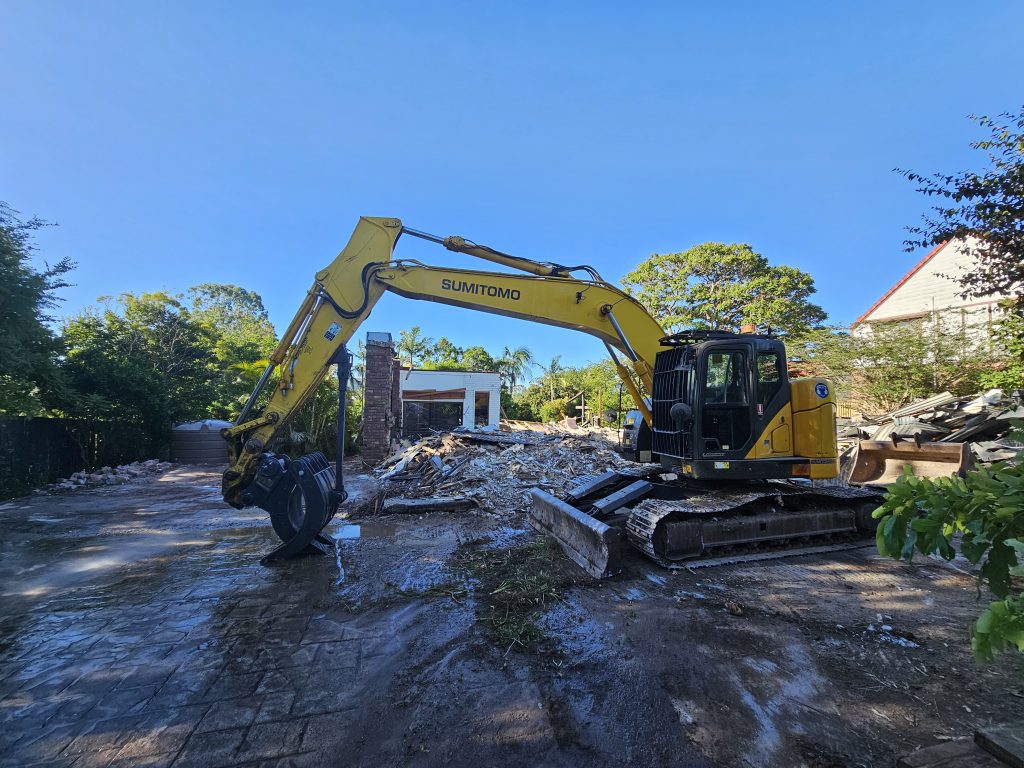
Clearing and Removing Demolition Debris
The first step after demolition is removing all remaining materials from the site. Even after the main structure is gone, there is often a significant amount of debris left behind that needs to be cleared properly. This typically includes:
- Concrete, bricks, and structural materials
- Timber, metal, and internal building components
- Smaller debris and loose waste
A thorough clean-up is essential before any further work can begin. Leftover materials can create safety hazards, interfere with machinery access, and delay the next stage of the project. A professional demolition team will ensure the site is cleared efficiently and in accordance with local requirements.
Site Levelling After Demolition
Once the site is cleared, it needs to be levelled to prepare for construction. Demolition often leaves uneven ground, voids where footings were removed, and compacted areas that require attention. This process may involve:
- Filling low areas with appropriate material
- Removing excess soil or remaining rubble
- Compacting the ground to create a stable base
Proper levelling is critical for ensuring that foundations can be installed correctly. If the ground is not prepared properly at this stage, it can lead to issues during construction such as uneven settling or structural movement.
Inspecting Site Conditions After Demolition
After the initial clean-up and levelling, it is important to assess the condition of the site. This step helps identify any underlying issues that may affect the build. This may include:
- Checking soil stability and composition
- Identifying any remaining underground structures or footings
- Assessing drainage patterns and water flow across the site
These inspections help ensure that the land is suitable for construction and highlight any additional preparation that may be required. Addressing these factors early can prevent costly adjustments later.
Managing Underground Services After Demolition
Even after demolition is complete, underground services may still be present and need to be dealt with carefully. These services are often not visible but can have a significant impact on the next stage of the project. This includes:
- Water pipes and drainage systems
- Gas lines
- Electrical conduits and cabling
These services may need to be removed, capped, or relocated depending on the design of the new build. Coordinating this work early ensures there are no unexpected interruptions once construction begins.
Preparing for Soil Testing and Engineering Requirements
Before construction starts, soil testing is often required to determine the type and condition of the ground. This step is essential for designing appropriate foundations and ensuring compliance with building standards. Soil testing helps:
- Identify soil classification and load-bearing capacity
- Determine the type of foundation required
- Highlight any potential ground movement risks
Engineers use this information to design footings that are suitable for the site. Skipping or delaying this step can lead to structural issues or additional costs later in the build process.
Final Site Preparation Before Construction
The final stage of preparation ensures the site is fully ready for construction to begin. At this point, the focus is on making sure everything is in place for builders to move in and start work without delay. This may involve:
- Final grading and levelling of the site
- Confirming clear access for construction equipment
- Ensuring compliance with local council requirements
- Verifying that all demolition-related work has been completed
A well-prepared site allows construction to begin smoothly and reduces the risk of interruptions once work is underway.
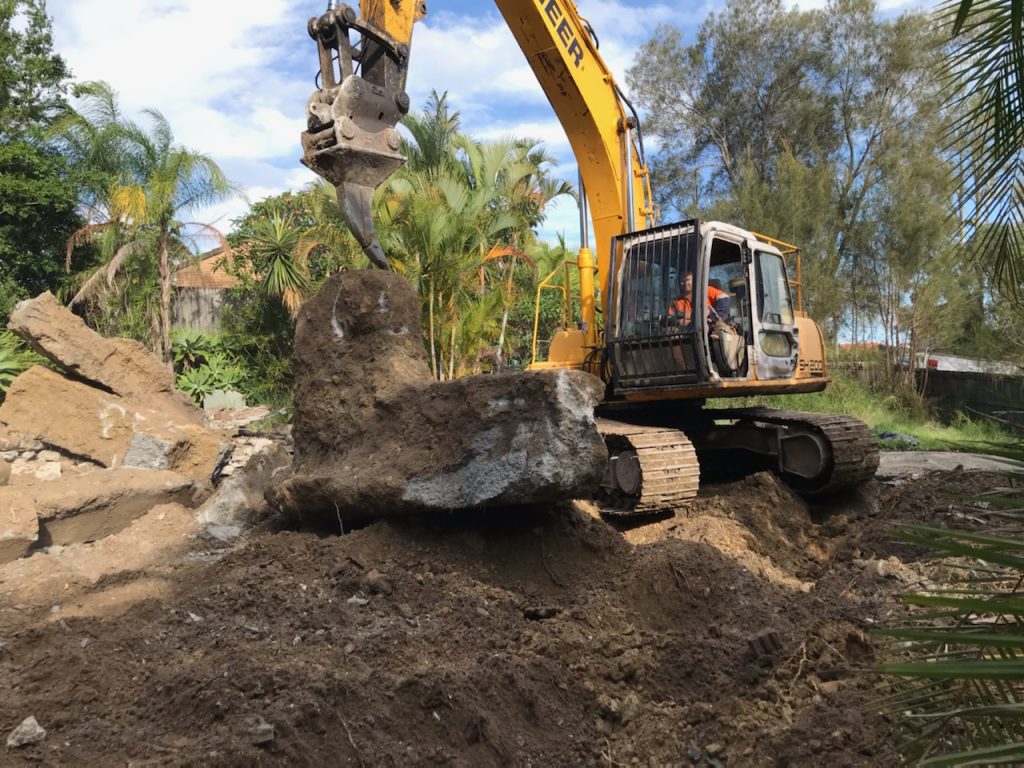
Common Issues That Can Delay the Next Stage
Even with careful planning, there are a few common issues that can delay construction after demolition if not addressed early. These may include:
- Incomplete removal of underground structures
- Unresolved service connections
- Poor drainage or unexpected soil conditions
- Delays in approvals or engineering requirements
Being aware of these risks helps you plan ahead and work with your contractor to resolve them before they impact your timeline.
Start Your Project on the Right Foot
Understanding what happens after demolition is just as important as the demolition itself. Proper site preparation ensures your build starts smoothly, reduces the risk of delays, and helps avoid unexpected costs.
Whether your project is in Brisbane or the Gold Coast, working with a team that understands both demolition and site preparation can make the entire process far more straightforward. Next Gen Demolition supports clients through every stage, ensuring your site is cleared, prepared, and ready for construction.