
Not all demolition companies operate with the same equipment or capability. While most can remove a structure, the type of machinery used and how it is applied will directly impact safety, efficiency, and the overall outcome of your project.
If you are comparing demolition companies in Brisbane or the Gold Coast, understanding how equipment affects the job will help you choose a contractor who can deliver the work properly, not just complete it.
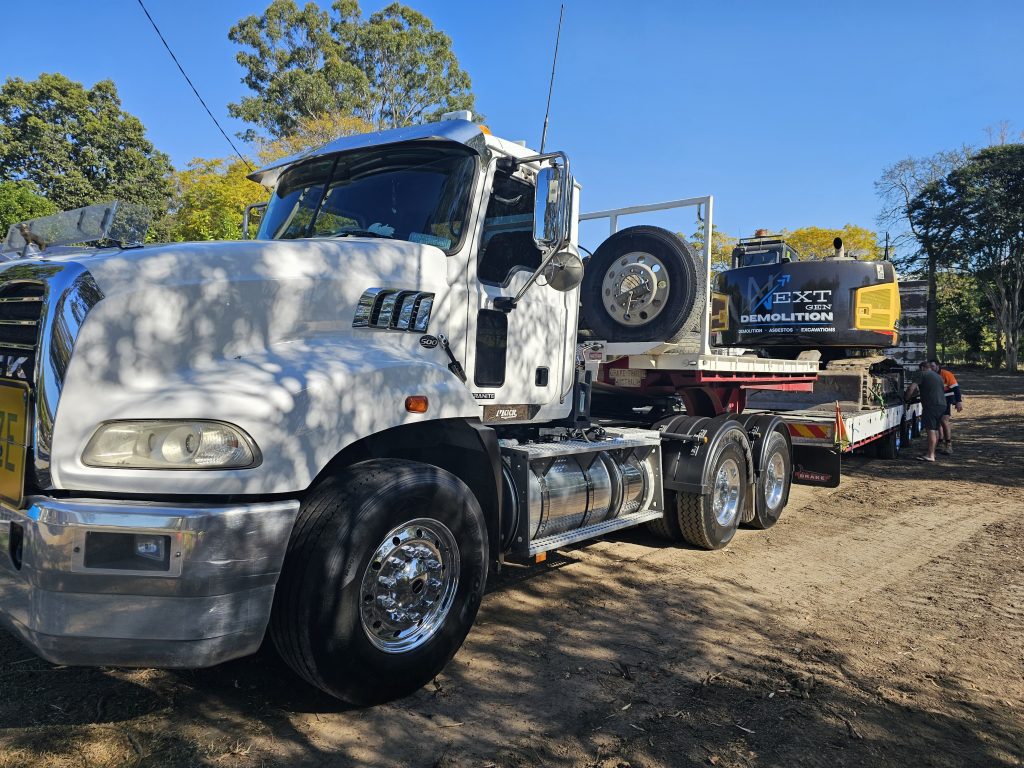
Why Equipment Matters in Demolition Projects
Demolition is not simply about knocking down a structure. It is a controlled process that requires the right machinery to safely dismantle buildings, manage materials, and protect surrounding areas.
When the correct equipment is used, demolition can be completed efficiently with minimal disruption. When it is not, the project often becomes slower, more labour-intensive, and riskier.
For example, using machinery that is too small for the job can significantly extend timelines. On the other hand, using equipment that is too large or unsuitable for the site can increase the risk of damage to neighbouring properties or infrastructure.
This is why equipment should always be matched to both the structure being removed and the conditions of the site.
What Equipment Should a Professional Demolition Company Have
A well-equipped demolition company will have access to a range of machinery suited to different project types. More importantly, they will understand how to use that equipment effectively.
Most projects rely on excavators fitted with specialised attachments that allow for controlled demolition. These attachments can be used to break, crush, and separate materials in a way that reduces risk and improves efficiency.
On smaller or more constrained sites, compact machinery may be required to navigate tight access areas. While this allows work to proceed, it can slow the process and may require a more staged approach.
The key point is not just what equipment a company owns, but whether they can select and apply the right machinery for your specific project.
How Equipment Varies Between Residential and Commercial Demolition
The type of demolition project has a direct influence on the equipment required. Residential demolition typically involves tighter spaces, closer neighbouring properties, and more controlled methods.
In these situations, contractors often rely on smaller or more flexible machinery that can operate safely within confined areas. This allows for precise removal while minimising disruption.
Commercial demolition, on the other hand, often involves larger structures and open sites. This allows for the use of larger machinery, including high-reach equipment designed to safely dismantle taller buildings.
A contractor should be able to explain how their equipment setup changes depending on the project. If the approach sounds the same for every job, it may indicate a lack of flexibility or experience.
How the Right Equipment Impacts Safety
Safety is one of the most important considerations in any demolition project, and equipment plays a central role in managing risk.
Proper machinery allows for controlled demolition, reducing the likelihood of unexpected collapses or structural movement. It also limits the need for manual handling, which reduces exposure to hazards for workers.
In residential areas, where properties are often close together, the right equipment helps protect neighbouring structures from damage caused by vibration, debris, or uncontrolled movement.
A contractor who invests in appropriate equipment is also investing in safer outcomes for the project.
How Equipment Affects Project Speed and Efficiency
The speed of a demolition project is heavily influenced by the equipment used. Efficient machinery allows for faster removal of materials and smoother progression from one stage to the next.
When equipment is well matched to the project, materials can be removed, sorted, and loaded quickly. This reduces downtime and helps keep the project on schedule.
In contrast, using unsuitable equipment often results in delays. Work may need to be paused while materials are manually handled, or additional time may be required to complete tasks that could otherwise be done quickly with the right machinery.
This is one of the key reasons why two similar demolition projects can have very different timelines.
What Can Go Wrong When Equipment Is Not Considered Properly
Many issues in demolition projects stem from poor equipment planning rather than the demolition itself.
Common problems include:
- Machinery that cannot access the site properly
- Equipment that is not suited to the structure being removed
- Over-reliance on manual labour due to limited machinery
- Inefficient handling and removal of materials
These issues often lead to longer timelines, increased costs, and greater risk during the project. In many cases, they could have been avoided with better planning at the start.
What to Look For When Comparing Demolition Companies
When assessing demolition companies, it is important to look beyond the quote and understand how the work will actually be carried out.
A capable contractor should be able to clearly explain:
- What equipment will be used and why it is suitable
- How the site conditions influence equipment selection
- How materials will be removed and managed
- How the project will be staged if access is limited
Clear answers to these questions are a strong indicator that the contractor has the experience and capability to deliver the project effectively.
Choose a Demolition Company With the Right Capability
The equipment a demolition company uses is a strong reflection of its capability. Choosing a contractor with the right machinery and a clear plan for using it will help ensure your project is completed safely, efficiently, and without unnecessary delays.
For demolition projects in Brisbane or the Gold Coast, Next Gen Demolition selects the appropriate equipment for each job and plans every project carefully to deliver reliable and consistent results.