
Delays in demolition projects are more common than most people expect. The demolition itself is often finished quickly, but the steps before it, and the conditions around it, can change the timeline a lot.
If you’re planning a demolition in Brisbane or the Gold Coast, knowing where delays usually happen helps you keep the project on track and avoid extra costs.
Delays in Approvals and Documentation
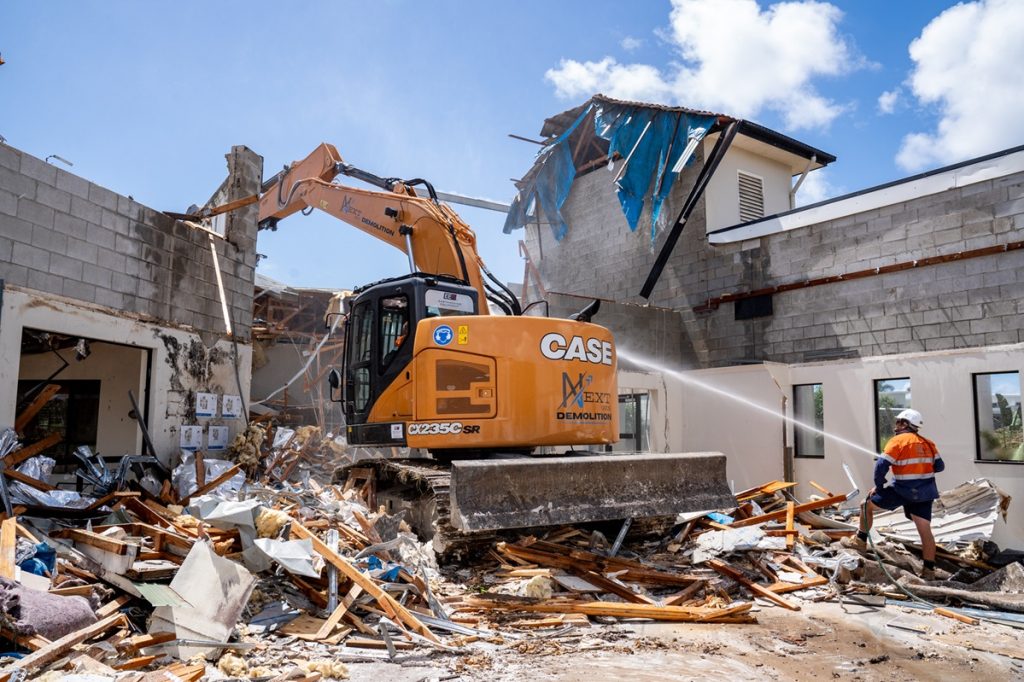
One of the most common causes of delay comes before any physical work begins. Approvals, permits and documents can take longer than expected, especially if the process isn’t started early. Depending on the property and the project, you may need council approvals, notifications or supporting documents, and if any are incomplete or submitted incorrectly, the process can stall.
Many projects are delayed simply because the approval requirements were underestimated. Start early and confirm exactly what your site needs. See which approvals apply in Brisbane.
Asbestos Identification and Removal
Asbestos is a major factor in demolition timelines, particularly for older properties. If it isn’t identified early, it can halt the project once it is found. Work may need to stop while testing and removal are organised, and delays can stretch beyond the demolition itself if removal contractors aren’t available straight away.
Planning for asbestos early, including inspection and removal, helps stop it interrupting the demolition. See how asbestos is identified before demolition and our asbestos removal service.
Service Disconnections Not Completed on Time
All services connected to the property must be disconnected before demolition can begin, including electricity, water, gas and telecommunications. Delays often happen when disconnections aren’t organised early, because providers may require notice periods or appointments that push back the start date.
Coordinate disconnections in advance and confirm they are complete before you schedule the demolition. See which services you should disconnect before demolition.
Access Issues Identified Too Late
Access constraints can change how a demolition is carried out. If machinery can’t reach the site as expected, smaller equipment or a staged demolition may be needed, which affects both timelines and costs. A thorough site inspection early on helps identify these issues so the method is planned correctly. See can you demolish a house on a narrow block.
Weather Conditions and Site Environment
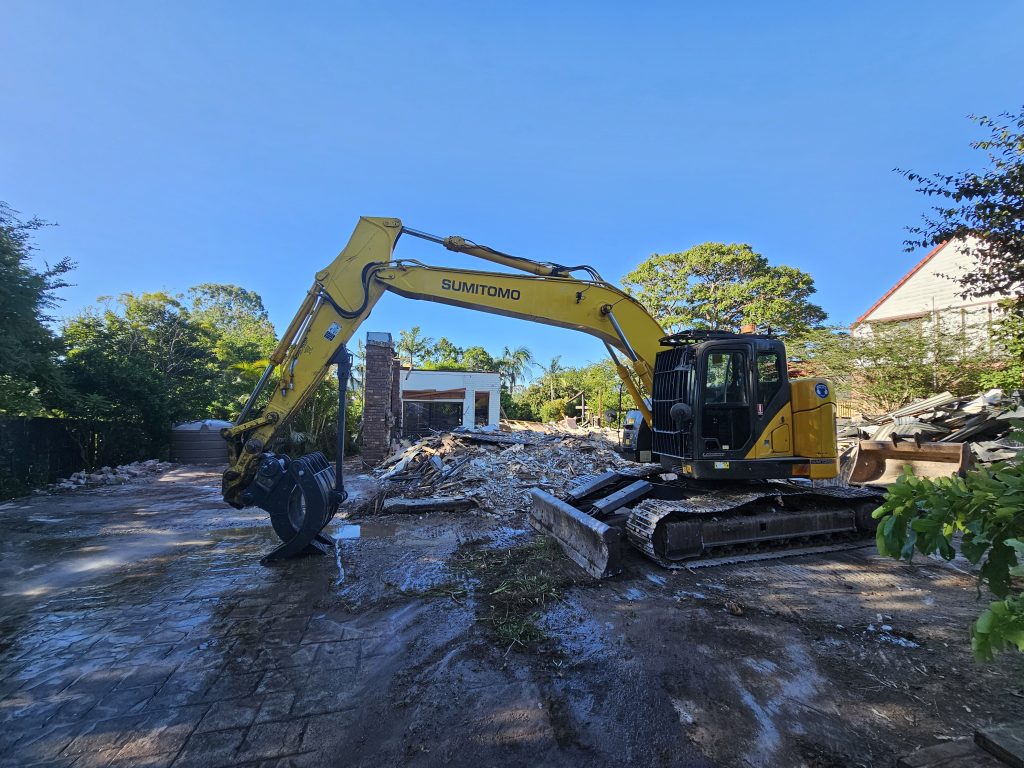
Heavy rain, high winds or unstable ground can delay work or make some activities unsafe. On the Gold Coast, coastal conditions and rainfall can also affect ground stability and access, the safe operation of machinery and the scheduling of demolition stages. Weather can’t be controlled, but allowing flexibility in your timeline and planning around the seasons helps. See how weather affects demolition projects.
Waste Removal and Site Management Delays
Demolition produces large volumes of material that need to be removed efficiently. If waste removal isn’t coordinated, materials build up, restrict working space and limit machinery access, and work has to pause to manage the site. A well-planned approach to waste removal clears materials consistently, so demolition can continue without interruption.
Poor Coordination Between Project Stages
Demolition is often just one stage of a larger project. Delays can happen when demolition, site preparation and construction aren’t coordinated, for example when construction is scheduled before demolition is finished, when engineering or soil testing isn’t organised in time, or when contractors aren’t working to the same timeline. Planning each stage in sequence helps prevent overlap. See what happens after demolition.
Choosing a Contractor Based on Price Alone
Choosing a contractor on price alone can lead to delays if they underestimate the complexity of the job, lack the equipment for efficient demolition or need to change the plan once work starts. That can mean longer timelines and extra costs. See how to compare demolition quotes.
Common Mistakes That Lead to Delays
Many delays are preventable. The most common mistakes are:
- Not confirming approval requirements early
- Underestimating asbestos risks
- Delaying service disconnections
- Overlooking access constraints
- Failing to plan the next stage of the project
Avoiding these issues can make a significant difference to how smoothly your demolition progresses.
How to Keep Your Demolition Project on Track
The key is preparation. An experienced contractor helps you understand the approvals you need, assess site conditions, plan the project in the right sequence and identify risks early. That helps keep the project on schedule and reduces the chance of unexpected delays. See also how long a house demolition takes in Brisbane.
Start Your Demolition Project With Confidence
Many delays can be managed with the right planning. Next Gen Demolition carries out house demolition across Brisbane and the Gold Coast. Contact us for a free quote.