
When you’re planning a demolition project in Brisbane, one of the biggest concerns is how it will affect the properties around yours. Dust, debris, noise, and accidental damage to nearby homes or businesses can quickly turn a straightforward demolition into a neighbourhood headache. Professional demolition companies in Brisbane understand these risks and implement strict safety measures to protect surrounding properties at every stage of the project.
The difference between a well-managed demolition and one that causes problems comes down to planning, equipment, and expertise. Next Gen Demolition uses proven protection strategies that keep neighbours safe and minimise disruption across Brisbane’s residential and commercial areas.

Pre-Demolition Planning and Risk Assessment
Before any machinery arrives onsite, experienced demolition teams conduct detailed assessments of neighbouring properties. This includes checking for shared walls, proximity to nearby structures, and identifying potential hazards such as underground services that could affect adjacent buildings.
Next Gen Demolition inspects boundary lines, photographs surrounding properties, and documents existing conditions. This creates a clear record of the site before work begins and helps resolve any disputes if damage claims arise later. Engineers evaluate structural connections and determine the safest demolition sequence to prevent unintended damage.
Brisbane has a diverse mix of building types, from Queenslanders on stumps to brick veneer and high-density developments. Each requires a different demolition approach. Professional teams adjust their methods based on the construction style, access points, and site constraints.
Site Protection: Barriers, Fencing and Containment
Proper hoarding, fencing, and containment barriers around the site form the first line of defence for neighbouring properties. These barriers:
- Mark site boundaries and prevent unauthorised access
- Reduce the spread of debris and dust
- Protect nearby pedestrians and vehicles from hazards
Additional protection may include:
- Solid hoarding along boundary lines
- Protective coverings over neighbouring roofs or outdoor areas
- Debris netting on multi-storey demolitions
- Scaffolding and sheeting to protect walls and windows
- Ground-level guards to keep machinery within the site boundary
These systems stay in place until the demolition and cleanup are complete, ensuring neighbouring properties remain safe throughout the process.
Dust Suppression and Air Quality Control
Demolition can create large amounts of dust, especially when breaking up brick, concrete, or old plaster. Without proper control, dust can drift onto nearby properties, damage outdoor equipment, and affect air quality.
To prevent this, demolition companies use:
- Water misting and spray systems
- Dust cannons that project fine water particles
- Chemical dust suppressants on high-risk sites
- Monitoring protocols to ensure dust levels remain acceptable
If dust levels exceed safe limits, professional teams pause work until conditions improve. This protects neighbours, workers, and anyone near the site.

Vibration Monitoring and Structural Protection
Heavy machinery, falling materials, and ground movement can create vibrations strong enough to damage nearby buildings. Common issues include cracked walls, shifted footings, and broken windows.
Next Gen Demolition uses vibration monitoring equipment for projects where neighbouring buildings sit close to the site. These sensors measure ground movement in real time, allowing operators to adjust methods before damage occurs.
Controlled demolition techniques dismantle structures gradually instead of forcing a sudden collapse. This reduces vibration, prevents shock loads, and protects nearby properties. Where walls or structures are shared, temporary supports may be installed to maintain stability during demolition.
Noise Management and Working Hours
Demolition work is inherently noisy. Brisbane City Council regulates acceptable noise levels and approved working hours to minimise the impact on surrounding properties.
Noise reduction strategies include:
- Restricting loud work to council-approved hours
- Using modern equipment with noise suppression features
- Providing notice to neighbours before particularly noisy stages
- Monitoring protocols to ensure dust levels remain acceptable
- Installing temporary acoustic barriers where required
For sites near schools, hospitals, or sensitive commercial operations, timing adjustments may be made to reduce disruption and maintain good community relations.
Debris Management and Site Cleanliness
Keeping debris contained is essential for neighbour safety. Professional demolition crews:
- Clean the site perimeter daily
- Position loading areas away from boundary lines
- Cover trucks before they leave the site
- Sweep nearby streets to prevent tracked dirt
- Sort materials such as concrete, timber, and metal onsite
These measures prevent debris from blowing or washing onto neighbouring properties and ensure a tidy site throughout the project.
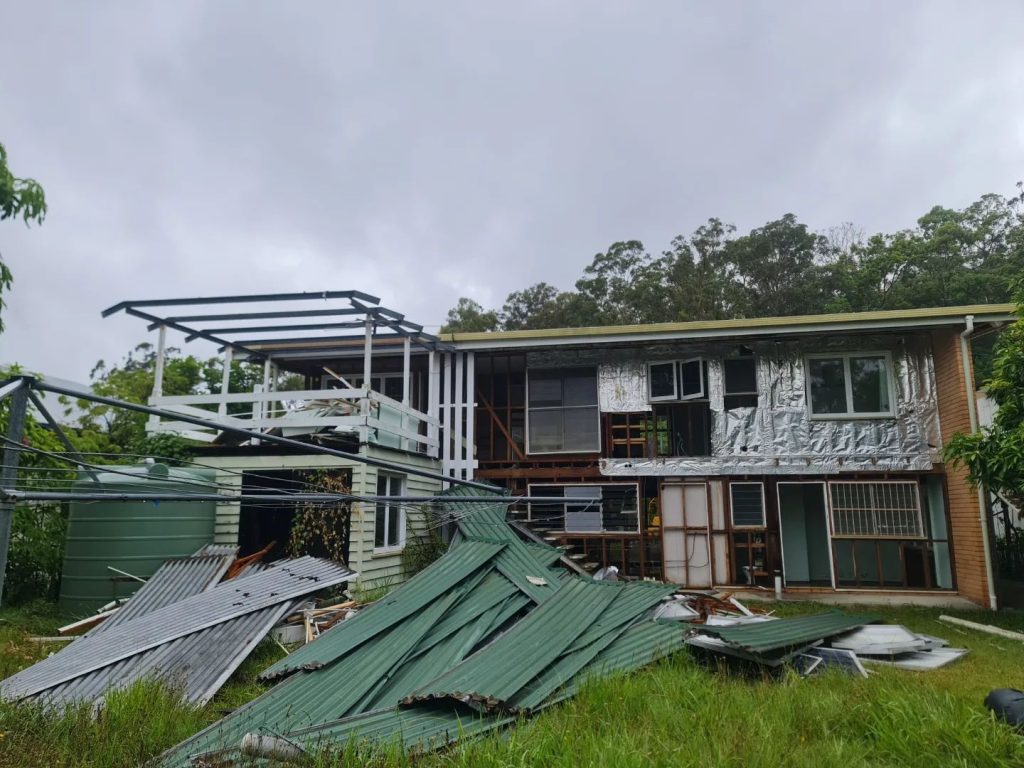
Asbestos and Hazardous Material Safety
Many older Brisbane buildings contain asbestos or hazardous materials. When present, neighbour protection becomes even more critical.
Licensed asbestos removalists:
- Seal the work area
- Use negative air pressure systems
- Conduct air monitoring during removal
- Dispose of material at approved facilities
Hazardous materials such as lead-based paint or treated timbers are also removed before demolition begins. This protects workers, neighbours, and the environment.
Damage Prevention and Insurance Coverage
Despite every precaution, incidents can occur. Professional demolition companies maintain comprehensive insurance that covers accidental damage to neighbouring properties.
Pre-demolition condition reports help establish whether damage existed before work began. Ongoing checks during the project allow emerging issues to be resolved early, preventing minor problems from escalating.
Always confirm your demolition contractor has current public liability and property damage insurance before work starts.

Communication With Neighbours and Stakeholders
Keeping neighbours informed is one of the most effective ways to prevent complaints. Professional demolition contractors notify property owners of:
- Start and completion dates
- Expected noise periods
- Traffic changes
- Safety measures in place
On larger commercial projects, designated liaison officers coordinate communications with multiple stakeholders.
Good communication prevents misunderstandings and builds trust, helping the project proceed without resistance.
Professional Demolition Expertise in Brisbane
Protecting neighbouring properties during demolition requires planning, experience, and an understanding of Brisbane’s diverse building stock and regulations. Each site presents different challenges, and a one-size-fits-all approach does not work.
Next Gen Demolition delivers safe, compliant, and well-managed demolition services across Brisbane. Our methods minimise disruption, protect surrounding homes and businesses, and ensure projects run smoothly from start to finish.