
Most people focus on the demolition itself, watching the structure come down and assuming the site is immediately ready for construction. In reality, site preparation begins once the demolition is complete, and the work carried out during this stage has a direct impact on how smoothly the new build progresses.
A poorly prepared site can lead to unstable foundations, drainage issues, construction delays, and unexpected costs that may not become apparent until months after the new building is complete.
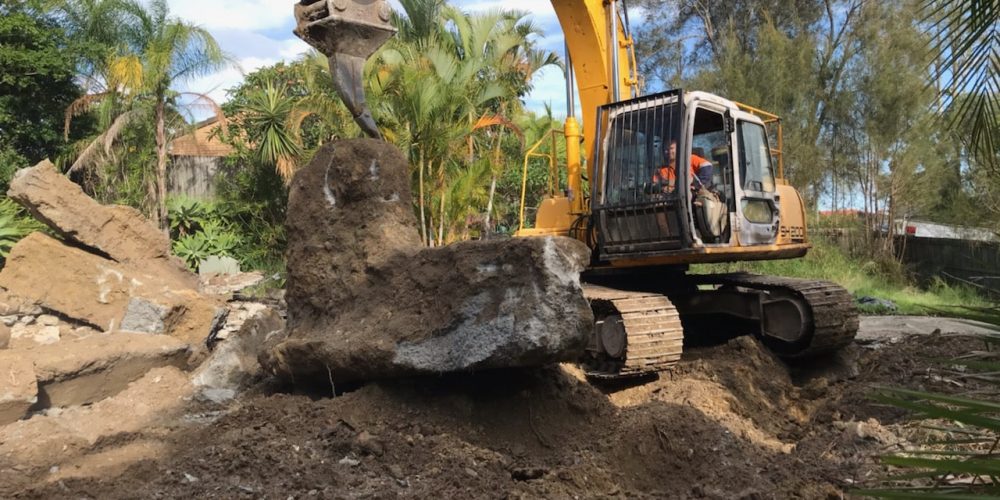
Whether you’re planning a knockdown rebuild in Brisbane or preparing a commercial site for redevelopment, understanding each stage of site preparation will help you know what to expect, ask the right questions, and ensure your builder receives a site that is genuinely ready for construction.
Debris Removal Is More Than Just Clearing the Rubble
Once a structure has been demolished, the first priority is removing all demolition waste from the site. This includes obvious materials such as concrete, brickwork, timber, roofing materials and steel, but there is often far more below the surface than property owners expect.
Where possible, demolition materials are separated and recycled rather than sent directly to landfill. Concrete is commonly crushed for reuse as road base, while steel and other metals can usually be recycled. Salvaging suitable materials helps reduce waste and lowers the environmental impact of the project.
Properties built before the late 1980s may also contain asbestos-containing materials. These cannot simply be loaded into a skip with other demolition waste. They must be removed by licensed professionals, transported separately, and disposed of at approved facilities in accordance with Queensland regulations.
The site also needs to be cleared of anything that could interfere with future construction. Depending on the age of the property, demolition may uncover old concrete footings, redundant drainage pipes, septic tanks, retaining walls or underground service connections that were never shown on current plans.
If these are left in place, they can delay construction once excavation for the new building begins. Identifying and removing them during demolition is usually far simpler and more cost-effective than dealing with them later.
Why Ground Conditions Need to Be Assessed Before Site Preparation Begins
With the structure removed, attention turns to the condition of the ground itself. Every site is different, and understanding what lies beneath the surface is an important part of preparing for construction.
Across Brisbane and South East Queensland, many sites contain reactive clay soils. These soils expand when they absorb moisture and shrink as they dry out. If these conditions are not identified early, they can contribute to movement beneath slabs and footings over time.
Other issues may also become apparent after demolition, including
- Fill material from previous building work that has not been properly compacted
- Contaminated soil resulting from previous industrial or commercial activities
- High groundwater levels that may require changes to the footing design
- Soft or unstable ground caused by prolonged water saturation
These issues are not necessarily unexpected, but they do need to be identified before construction begins. Addressing them during site preparation is significantly easier and less expensive than discovering them once building work is underway.
Levelling the Site for Safe Construction
Once the site has been cleared and assessed, it can be shaped to suit the approved building design. This involves cutting, filling and grading the land to create a stable building platform with appropriate falls for drainage.
Levelling is about much more than making the block appear flat. The finished levels determine how water moves across the property once construction is complete.
If water is directed towards the future building pad instead of away from it, it can pool around foundations, saturate surrounding soil and increase pressure against retaining walls. These issues are often expensive to correct after construction has started.
This is particularly important in Brisbane, where intense summer storms can deliver large volumes of rain over a short period. Correct grading during site preparation helps protect both the new building and the surrounding landscape from future drainage problems.
Why Site Compaction Is Critical Before Construction Begins
After the site has been shaped to the correct levels, the ground must be compacted to create a stable base for construction.
Compaction reduces air pockets within the soil and increases its ability to support structural loads. Without adequate compaction, the ground may settle unevenly after the building is complete.
The consequences can include cracked concrete slabs, movement in footings, uneven floors and damage to walls. These problems may not appear immediately, but can become expensive structural issues over time.
Different parts of the site may also require different levels of compaction depending on what will be built there. Areas supporting the house slab, driveway, retaining walls or other structures may each have different engineering requirements.
A reputable demolition contractor doesn’t simply compact the ground and move on. Where required, compaction testing is carried out to verify that the ground meets engineering specifications before construction begins.
Final Site Preparation Before Construction Begins
Preparing the site for construction involves more than clearing debris and levelling the ground. The property also needs to be handed over in a condition that allows builders to commence work efficiently.
This may include removing redundant water pipes, electrical conduits, stormwater infrastructure and other services associated with the original building. Temporary fencing, erosion controls and safe access for construction vehicles may also need to be established.
A well-prepared site allows builders to begin work immediately rather than spending valuable time completing additional preparation that could have been addressed during demolition.
Common Issues That Can Delay Site Preparation
Even well-planned demolition projects can uncover unexpected issues once the structure has been removed. While many of these can be managed effectively, identifying them early helps minimise delays.
Some of the more common issues include unexpected underground structures, asbestos that was not identified before demolition, contaminated soil, poor drainage conditions and restricted site access for machinery.
Weather can also play a role. Heavy rainfall may delay earthworks until ground conditions become stable enough for machinery to operate safely.
Working with an experienced demolition contractor helps identify many of these risks during the planning stage, allowing realistic timelines and contingency plans to be built into the project.
Proper Site Preparation Sets the Entire Project Up for Success
Site preparation is often overlooked because the demolition itself attracts most of the attention. However, the quality of the work completed after demolition has a direct impact on how smoothly construction proceeds.
Taking the time to properly clear, level and prepare the site reduces the risk of delays, unexpected costs and structural issues during the build. It also provides confidence that the new project is starting on stable ground.
Next Gen Demolition manages the complete process, from demolition and waste removal through to site preparation and handover. Whether you’re planning a residential knockdown rebuild or preparing a commercial development site across Brisbane or the Gold Coast, our experienced team ensures your property is ready for the next stage of construction.