
Demolishing a house is rarely as simple as bringing in an excavator and knocking the structure down. The demolition method needs to suit the building, the site conditions, nearby properties and what is planned for the land afterwards.
Choosing the right approach helps improve safety, reduces the risk of delays and ensures the site is properly prepared for the next stage of construction. Whether you’re planning a knockdown rebuild in Brisbane or clearing land for redevelopment, understanding how demolition methods differ will help you make more informed decisions before work begins.
Why Different Houses Require Different Demolition Methods
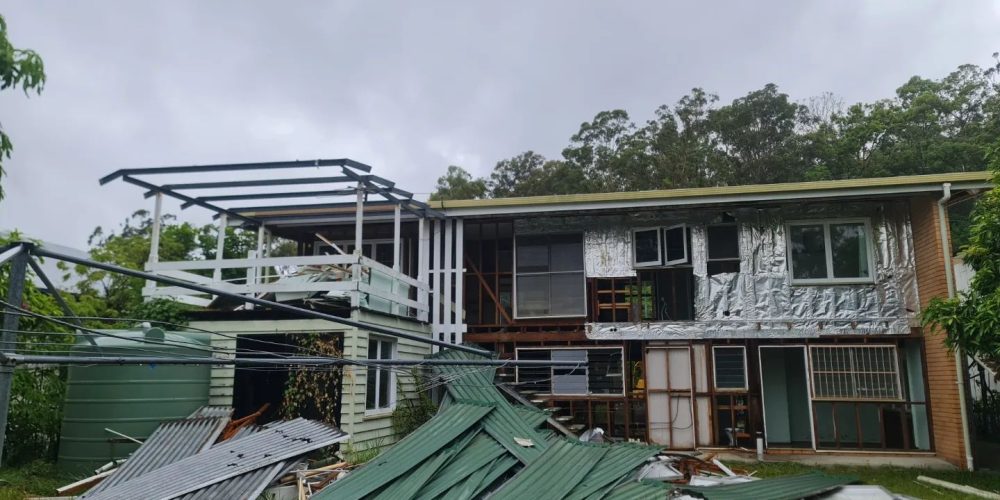
Every demolition project is unique. Factors such as the age of the building, construction materials, site access and surrounding environment all influence how the structure should be removed.
For example, a freestanding house on a large suburban block can often be demolished using heavy machinery with minimal restrictions. A property located on a narrow block, close to neighbouring homes or containing hazardous materials may require a much more controlled approach.
Rather than using the same method on every project, experienced demolition contractors assess the site first and select the safest and most efficient demolition method for the conditions.
Mechanical Demolition: The Most Common Approach
Mechanical demolition is the method most people associate with house demolition. Using excavators fitted with specialised attachments, the building is dismantled in a controlled sequence before materials are removed from the site.
This approach is typically the fastest and most cost-effective option for complete house demolitions where there is suitable access for machinery.
However, mechanical demolition is not simply about working quickly. Operators must carefully control how structural elements are removed to prevent uncontrolled collapse and protect surrounding properties.
In Brisbane, mechanical demolition is commonly used for older homes being removed to make way for knockdown rebuilds, duplex developments and new residential construction.
When Manual or Selective Demolition Is the Better Choice
Not every project involves removing an entire building. In some situations, only part of the structure needs to be demolished while the remaining sections are retained.
Selective demolition is commonly used when renovating or extending an existing home, preserving heritage features or carrying out commercial strip-outs before redevelopment.
It may also be required where buildings are located very close to neighbouring properties or where valuable materials such as hardwood timber, bricks or architectural features are being salvaged for reuse.
Although manual demolition generally takes longer than mechanical demolition, it provides greater control and allows work to be completed with minimal impact on the remaining structure.
How Asbestos Can Change the Demolition Method
The presence of asbestos is one of the biggest factors influencing how an older property is demolished.
Many Brisbane homes built before the late 1980s contain asbestos in roofing, wall sheeting, eaves, flooring and other building materials. These products cannot simply be demolished alongside the rest of the structure.
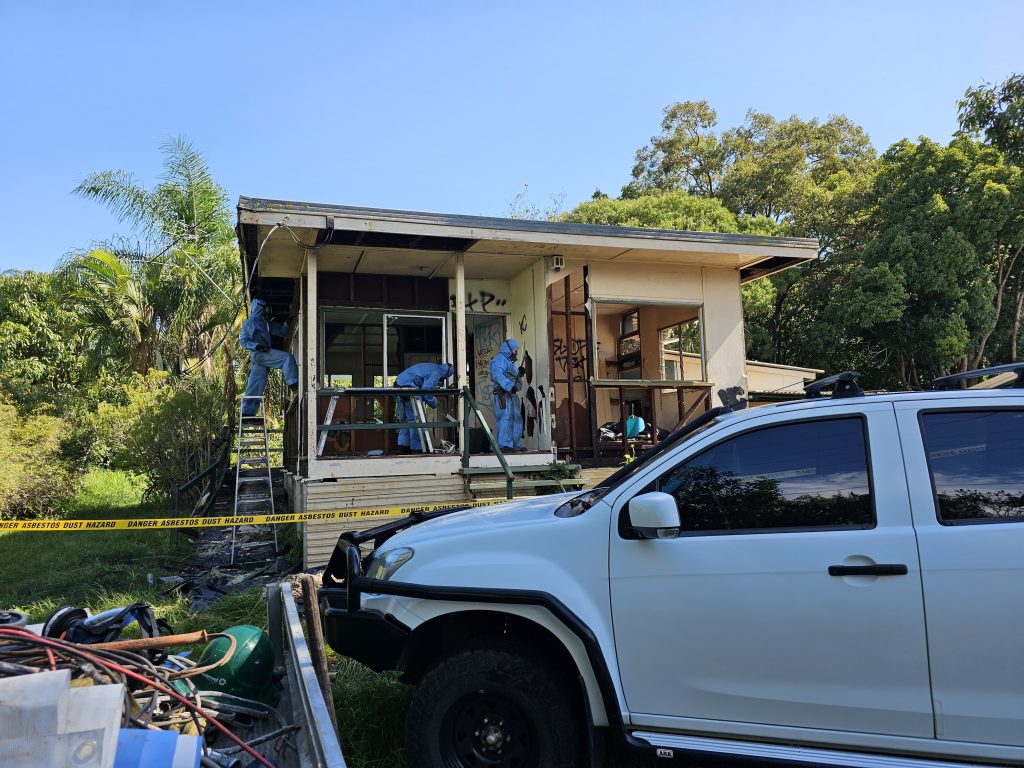
Instead, asbestos must first be identified and removed by licensed professionals before the main demolition work can begin. This protects workers, neighbouring properties and the wider community while ensuring the project complies with Queensland legislation.
Planning for asbestos early also helps avoid unexpected delays once demolition is underway.
Site Conditions Often Determine the Best Approach
The building itself is only one part of the decision. Site conditions often have just as much influence on the demolition method. A contractor will assess factors such as:
- Site access for machinery.
- The proximity of neighbouring buildings.
- Sloping or unstable ground.
- Existing pools, retaining walls or underground structures.
- Whether parts of the building are to remain.
Each of these factors influences the equipment used, the demolition sequence and the overall project timeline. This is why a detailed site inspection is such an important part of planning any demolition project.
Common Mistakes That Affect the Demolition Method
Many project delays occur because important factors were overlooked during the planning stage rather than during demolition itself. Some of the most common issues include:
- Assuming heavy machinery can easily access the property.
- Not identifying asbestos before demolition begins.
- Overlooking underground structures or redundant services.
- Choosing a demolition method based on price rather than site suitability.
These issues can often be avoided through a thorough site assessment before work begins.
Demolition Doesn't End When the House Comes Down
Removing the structure is only one stage of the project. Once demolition is complete, the site still needs to be cleared, waste removed, recyclable materials separated where practical and the land prepared for construction.
Depending on the agreed scope of works, this may also include removing slabs, footings and underground structures before handing the site over to the builder.
A well-managed demolition project leaves the property clean, safe and ready for the next stage of development, helping reduce delays once construction begins.
Choosing the Right Demolition Method Starts With Good Planning
There is no single demolition method that suits every property. The right approach depends on the building, the site conditions, surrounding structures and your plans for the land once demolition is complete.
Taking the time to properly assess these factors before work begins helps improve safety, reduce unnecessary costs and ensure the project progresses as efficiently as possible.
Next Gen Demolition provides residential demolition services across Brisbane and the Gold Coast, carefully assessing every property to determine the safest and most effective demolition method before work begins.