
Planning a demolition project involves far more than bringing a building down safely. Every demolition must be carefully planned and managed to protect workers, neighbouring properties, the environment and the people who will eventually build on the site.
From permits and asbestos removal through to traffic management, dust control and waste disposal, safety and compliance influence every stage of the project. Understanding how these responsibilities are managed will help you choose an experienced demolition contractor and reduce the risk of delays, unexpected costs and compliance issues.
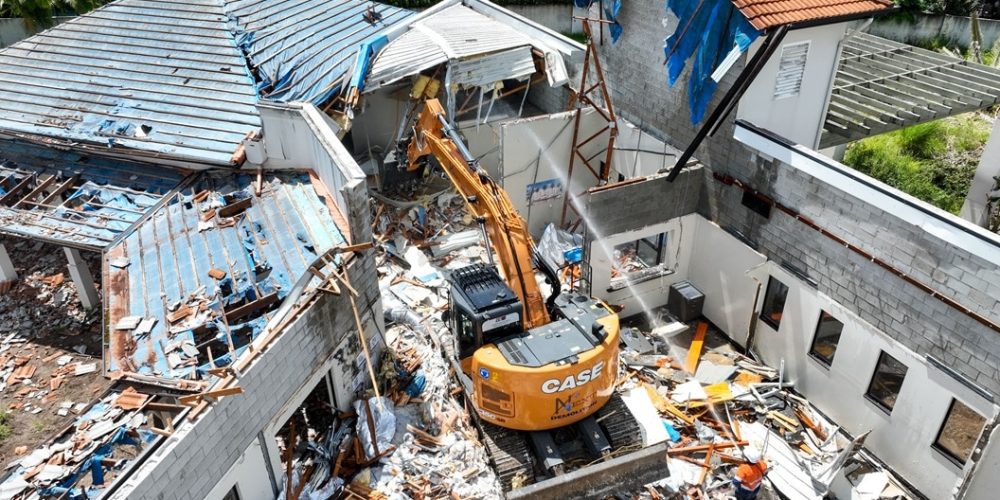
Safety Starts Long Before Demolition Begins
One of the biggest misconceptions about demolition is that safety begins when machinery arrives on site. In reality, much of the work that keeps a demolition project safe happens during the planning stage.
Before work begins, a demolition contractor will assess the structure, identify potential hazards, review surrounding properties and determine the safest demolition method. Site access, underground services, overhead powerlines and neighbouring buildings are all considered before any work is scheduled.
This early planning helps identify potential risks before they become problems, allowing the demolition to proceed in a controlled and efficient manner.
Permits and Approvals Help Keep Projects Compliant
Every demolition project must comply with Queensland legislation and local authority requirements. Depending on the property and the scope of work, approvals may be required before demolition can begin.
An experienced demolition contractor will coordinate the necessary permits and approvals, ensuring demolition only proceeds once all regulatory requirements have been satisfied.
Although this process can seem administrative, it plays an important role in keeping projects on schedule. Missing approvals or incomplete documentation can result in delays, additional costs or stop-work notices that affect not only the demolition but also the construction program that follows.
Identifying and Removing Hazardous Materials
Hazardous materials are one of the most important safety considerations on any demolition project.
Many Brisbane properties built before the late 1980s contain asbestos products that cannot be disturbed during demolition. Commercial buildings may also contain lead-based paint, chemical residues or other hazardous materials that require specialist handling.
Before demolition begins, these materials must be identified and, where necessary, removed by appropriately licensed professionals.
Managing hazardous materials correctly protects workers, neighbouring properties and the wider community while ensuring the project complies with Queensland safety and environmental requirements.
Managing Safety During Active Demolition
Once demolition begins, the focus shifts to controlling risks as site conditions continually change. Professional demolition companies implement a range of safety measures throughout the project, including:
- Clearly defined exclusion zones to prevent unauthorised access.
- Dust suppression to minimise airborne particles affecting neighbouring properties.
- Noise management in accordance with approved working hours.
- Careful demolition sequencing to maintain structural stability throughout the process.
- Traffic management where vehicles and pedestrians may be affected.
These measures are continually reviewed as demolition progresses because the risks on site change as more of the structure is removed.
Protecting Neighbouring Properties
Many demolition projects take place in established suburbs where homes and businesses are located close together. Protecting surrounding properties is therefore an important part of both safety and compliance.
This may involve controlling vibration, preventing debris from leaving the site and carefully positioning machinery to avoid unnecessary impacts on neighbouring structures.
Clear communication with nearby property owners also helps minimise disruption and allows neighbours to understand when higher-impact work is scheduled to occur.
Protecting neighbouring properties is not simply good customer service. It is an important part of responsible project management.
Responsible Waste Management
Demolition produces large quantities of concrete, steel, timber, bricks and other materials that must be managed appropriately.
Rather than treating everything as waste, experienced demolition contractors separate recyclable materials wherever practical. Concrete can often be processed into road base, while steel and other metals are commonly recycled.
Hazardous materials require separate handling and disposal through approved facilities to ensure environmental obligations are met.
Effective waste management not only supports compliance but also contributes to a cleaner, more efficient worksite throughout the project.
Why Experience Makes Compliance Easier
Safety and compliance are rarely about completing one task correctly. They rely on coordinating dozens of individual activities throughout the project.
Experienced demolition contractors understand how permits, hazardous materials, service disconnections, site access, waste management and demolition sequencing all work together. By managing these activities as part of a single plan, they reduce the likelihood of delays, unexpected costs and compliance issues.
For property owners, this means less coordination, fewer surprises and greater confidence that the project is progressing safely.
Safety and Compliance Protect Your Entire Project
Successful demolition is measured by much more than how quickly a building is removed. A well-managed project protects people, neighbouring properties and the environment while ensuring the site is ready for the next stage of construction.
Working with an experienced demolition contractor helps ensure safety and compliance are considered from the earliest planning stages through to final site handover.
Next Gen Demolition manages residential and commercial demolition projects across Brisbane and the Gold Coast, providing comprehensive project planning, regulatory compliance and safe demolition practices from start to finish.