
Demolishing a property near the coast involves more than simply removing a structure. The Gold Coast’s coastal environment presents conditions that can influence how demolition is planned, how machinery operates, and what needs to happen before construction can begin.
From salt-laden air and sandy soils to environmental overlays and densely developed suburbs, coastal properties often require a different approach to inland demolition projects. Understanding these factors before work begins will help you plan more effectively, compare quotes with confidence, and reduce the risk of unexpected delays or costs.
How Coastal Conditions Affect Demolition Planning
The coastal environment influences demolition long before the first excavator arrives on site. A thorough site assessment is particularly important because environmental conditions can affect both the condition of the existing building and the ground it sits on.
Properties close to the ocean are exposed to salt, moisture and strong winds throughout their life. Over many years this can weaken structural components, affect foundations and change how the building behaves during demolition.
Rather than applying the same approach to every project, an experienced demolition contractor will assess the structure, surrounding environment and site conditions before deciding on the safest and most efficient demolition method.
Salt Air and Humidity Can Change How a Building Is Demolished
Salt-laden air is highly corrosive and can gradually weaken steel framing, roof structures, fixings and other metal components. Timber framing may also deteriorate over time due to the combination of moisture, humidity and termite activity, particularly in older coastal homes.
This deterioration is not always visible during a casual inspection. A building that appears structurally sound from the street may contain hidden areas of corrosion or decay that only become apparent during demolition.
These conditions influence how the demolition is carried out. Compromised structural elements can behave unpredictably when loads are removed, requiring a more controlled demolition sequence to maintain safety.
Understanding the true condition of the building before work begins helps avoid delays once demolition is underway and allows the contractor to plan the project more accurately.
Sandy Soils Present Different Challenges
Ground conditions across the Gold Coast vary considerably, particularly around beachfront suburbs, canal estates and reclaimed land. Sandy soils behave very differently from the heavier clay soils commonly found across many parts of Brisbane.
Because sandy ground is generally less stable under heavy loads, machinery selection and site access require careful planning. Large excavators may need additional consideration, particularly after periods of heavy rain when ground conditions can change quickly.
Ground conditions also become important after the structure has been removed. If footings, pools or underground structures are excavated, the resulting voids need to be backfilled and compacted correctly to provide a stable base for future construction.
Poor compaction on sandy sites can contribute to future settlement, making this an important stage rather than simply a finishing task.
Asbestos Remains a Common Issue in Older Coastal Homes
Many homes built on the Gold Coast between the 1960s and the late 1980s contain asbestos products. Common locations include wall sheeting, eaves, roofing, fencing and older flooring materials.
Coastal weather can accelerate deterioration of these materials through years of exposure to moisture, salt and changing temperatures. As materials age, they may become more fragile and require careful handling during removal.
Before demolition begins, asbestos must be identified, removed by licensed professionals and disposed of in accordance with Queensland regulations. This is an essential safety requirement and an important part of preparing the site for demolition.
If asbestos inspections or removal are not clearly addressed during the quoting process, it is worth asking how they will be managed before committing to the project.
Local Planning Requirements Can Influence the Project
Some coastal properties are affected by planning overlays that do not apply to inland sites. Depending on the location, additional requirements may apply for properties near waterways, environmentally sensitive areas, erosion-prone land or canal developments.
These overlays may influence:
- The approvals required before demolition can begin
- Where machinery can safely operate
- How sediment, erosion and stormwater are managed
- The handling and disposal of demolition waste
Identifying these requirements early helps prevent unnecessary delays once approvals are being sought. An experienced demolition contractor will investigate these considerations during the planning stage rather than after work has been scheduled.
Managing Dust, Debris and Neighbouring Properties
Many Gold Coast suburbs are characterised by smaller blocks, higher-density housing and waterfront developments where neighbouring properties are located close to the demolition site.
This means demolition must be carefully managed to minimise disruption. Dust suppression, noise management and debris control become particularly important in these environments.
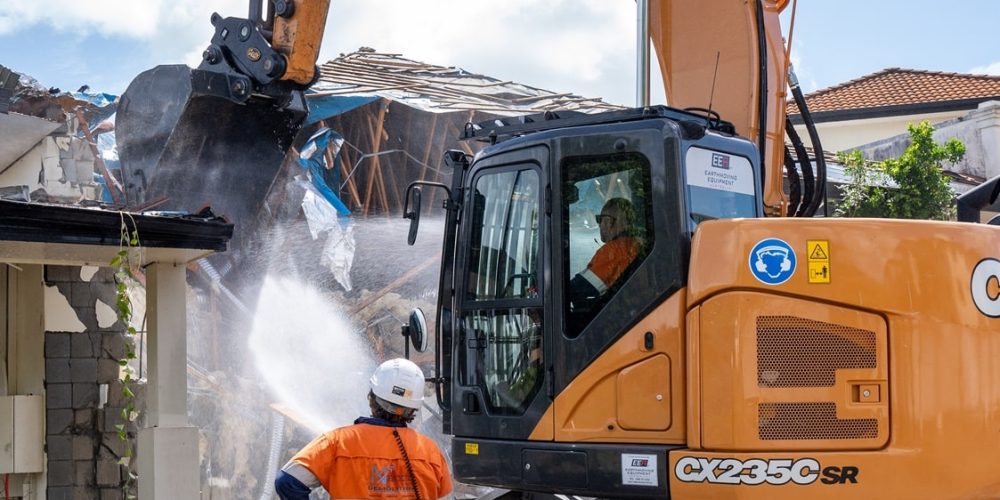
Warm coastal winds can also carry dust and lightweight debris further than expected if appropriate controls are not in place. Water suppression, temporary fencing and careful staging of demolition all help reduce impacts on neighbouring properties while maintaining a safer worksite.
Good communication with neighbours can also contribute to a smoother project by helping nearby residents understand what to expect and when work will occur.
Why Thorough Planning Saves Time and Money
Many of the problems encountered on coastal demolition projects can be traced back to inadequate planning rather than the demolition itself.
Unexpected asbestos, unstable ground, hidden underground structures or overlooked planning requirements can all delay the project and increase costs once machinery is already on site.
A comprehensive site assessment allows these issues to be identified early so they can be incorporated into the demolition plan. This provides a more accurate scope of works, reduces the likelihood of variations and helps keep both demolition and construction on schedule.
Coastal Demolition Requires Local Knowledge
Demolishing a property on the Gold Coast requires more than the right equipment. It requires an understanding of local conditions, planning requirements and the challenges that coastal environments present.
By taking the time to properly assess the site and plan each stage of the project, many common delays and unexpected costs can be avoided.
Next Gen Demolition delivers residential and commercial demolition projects across the Gold Coast and Brisbane, combining careful planning with local experience to ensure each site is demolished safely, efficiently and prepared for its next stage of development.