
When you’re planning asbestos removal, understanding what drives the cost helps you budget and avoid delays. Whether you’re renovating an older home, demolishing a structure or managing a commercial property, the price is shaped by several practical and regulatory factors.
Asbestos removal isn’t one-size-fits-all. Each site has different risks, access constraints and compliance requirements, and all of them affect the final quote. This guide explains the main factors.
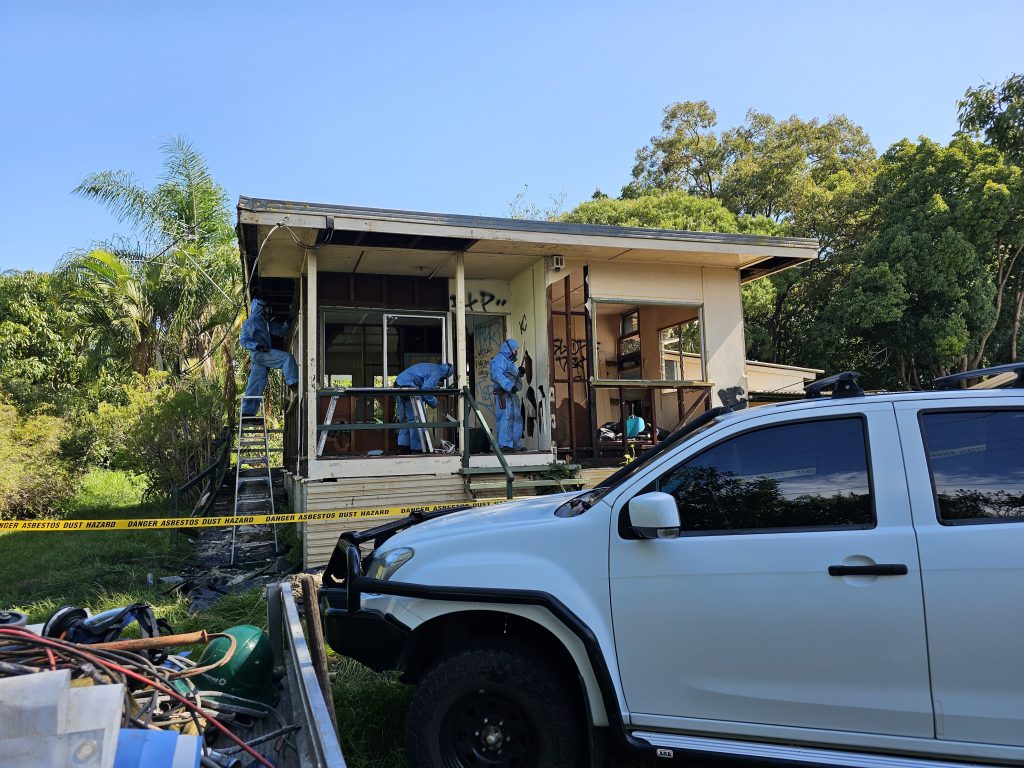
Type and Condition of Asbestos Materials
The type of asbestos has a major impact on removal cost.
Bonded, or non-friable, asbestos is the most common type in Brisbane homes. It includes fibro sheeting used in walls, roofs, eaves, garages and fences. Because the fibres are bound into cement or resin, bonded asbestos is less likely to release fibres when intact and generally costs less to remove.
Friable asbestos poses a much higher risk. It includes pipe lagging, sprayed insulation and badly deteriorated asbestos products that crumble easily. Removing it needs a Class A licence, stricter containment and more safety controls, which significantly increases the cost. Licensed removal is required for any friable asbestos and for more than 10 square metres of bonded asbestos.
The condition of the asbestos also matters. Damaged or weathered bonded asbestos may need to be treated as higher risk, which adds safety measures.
Quantity and Accessibility
The amount of asbestos on site directly affects the price. Removing a small section of fence or a single shed wall costs far less than removing an entire roof or several internal rooms.
Access matters too. Asbestos on ground-level external walls is easier and faster to remove than asbestos in roof cavities or underfloor spaces, or in areas that need scaffolding or elevated work platforms. Restricted access increases labour time, equipment and safety planning, and your quote reflects that.
Testing and Site Assessment
Before removal can begin, materials have to be identified and assessed. If it’s uncertain whether a material contains asbestos, samples are taken and analysed in a laboratory. Testing costs depend on the number of samples and the laboratory fees, and larger or more complex buildings may need multiple samples to confirm every asbestos-containing material.
A site assessment is also needed to work out the removal method, the safety controls and the regulatory obligations. See how asbestos is identified before demolition.

Containment and Safety Controls
Asbestos removal is governed by strict safety rules designed to prevent fibre exposure. Containment varies with the asbestos type and the scope of work. For higher-risk jobs, it can include sealed enclosures, negative air pressure units and controlled decontamination zones.
Workers wear protective equipment such as respirators and disposable coveralls, and HEPA-filtered tools and vacuums are used. In some cases air monitoring is needed, and a clearance inspection by an independent licensed assessor or competent person is carried out before the area can be reoccupied. These measures add to the cost, but they protect occupants and keep the work compliant.
Disposal and Regulatory Requirements
Asbestos waste must be transported and disposed of at a facility authorised to accept it. Disposal fees vary with the material type and volume, and friable asbestos attracts higher charges. The waste has to be securely wrapped, labelled and transported according to environmental rules. Transport distance and facility availability can affect the cost, particularly for larger jobs.
Paperwork is also part of lawful removal, including regulator notification, waste tracking and clearance records. These are typically included in professional quotes.
Property Type and Project Complexity
Residential asbestos removal often involves working around neighbouring properties, gardens and occupied homes. That can require additional containment, access planning and scheduling.
Commercial and industrial removal is usually more complex. These sites may contain larger quantities of asbestos, need after-hours work or involve coordination with business operations, and they often need more extensive safety planning and supervision. Whether a property is occupied or vacant also affects the price, because occupied buildings need stricter controls to protect residents, tenants or workers.

Timing and Urgency
Project timing can influence the cost. Standard scheduling lets contractors plan efficiently and usually gives more competitive pricing. Urgent or emergency removal, for example where asbestos is damaged or poses an immediate risk, can involve premium rates because of the rapid mobilisation.
Weather also plays a role. Wet conditions can affect access and scheduling, particularly for external removal, so allow for some contingency.
Additional Site Preparation
Some projects need preparation before removal begins, such as isolating electrical services, clearing surrounding areas or protecting nearby structures. If asbestos removal is part of a larger demolition or renovation, coordination with other trades may be needed. Replacement works are usually quoted separately but can sometimes be bundled for efficiency.
Why Licensed Removal Matters
Asbestos removal is tightly regulated for good reason. Doing it yourself, or using an unlicensed operator where a licence is required, puts health, property and legal compliance at risk. Licensed contractors manage testing, removal, disposal and documentation, which reduces the risk of costly compliance problems later.
Next Gen Demolition holds Class A and Class B asbestos removal licences and carries out asbestos removal across Brisbane and the Gold Coast, with quotes based on the conditions of each site. If asbestos affects a demolition, see asbestos and house demolition, what happens to asbestos found before demolition and five costs homeowners often miss. Contact us for a free quote.