
House relocation, where a house is lifted onto a truck and moved to a new block, is an alternative to demolishing it. It can suit some homes, but it still takes planning. Once the house has gone, the old site has to be cleared and prepared.
This guide covers the site works needed after a house is removed, when relocation makes sense and when demolition is the simpler choice.
What House Removal Involves
House relocation means preparing the existing house for transport, moving it to a new place and setting it on new foundations. Specialists lift the house onto a large truck and move it to a vacant block elsewhere. In some cases the house is cut into sections to travel.
Post-Removal Site Works
Slab Removal
After the house is gone, the concrete slab on the old site has to be removed. Specialists break up the slab with specialised equipment and dispose of the debris. Check which permits and council requirements apply before work starts.
Tree Clearing
Preparing the site usually means clearing vegetation, including shrubs and trees. Trees can get in the way of machinery, so clearing them gives better access for other works, such as service disconnections. Depending on the tree and the site, you may need council approval first. Tree clearing is one of the five costs homeowners often miss.
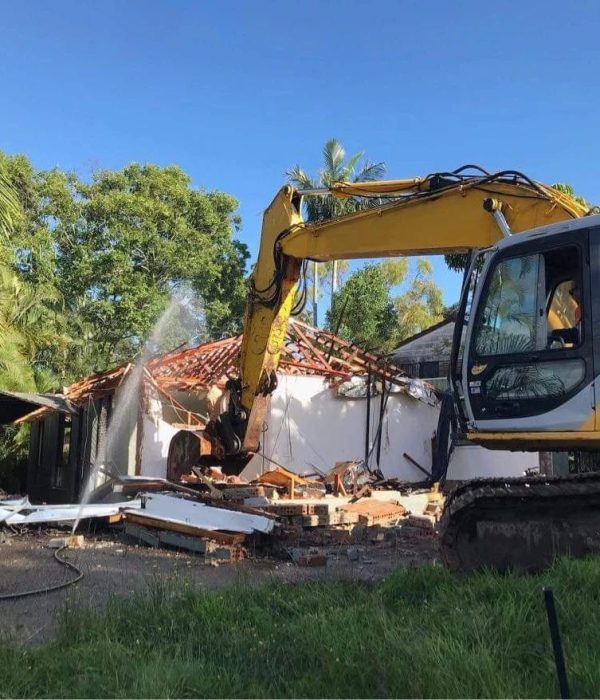
Utility Disconnections
In a normal demolition and rebuild, utilities are disconnected before demolition. When a house is relocated, they can be disconnected after it has been removed. Contact your utility providers to arrange it. See which services you should disconnect before demolition.
When House Removal Makes Sense
Relocation only suits certain homes. Traditional Queenslander-style homes, which have a timber frame and are raised on stumps, often suit removal, because their design, including the wraparound verandah, makes them practical to lift and move. The home also needs to be well maintained, and a heritage-style property with visual appeal may have resale value to future buyers.
It must be sturdy enough to survive being transported. In some cases it has to be cut into sections, which means the weather has to be managed to avoid damaging the interior. Finally, you need a company willing to move your house, with the right equipment and experience. See what homeowners need to know about heritage and Queenslander house demolitions.
When Demolition Is Simpler
Demolition is often the better option when the house is in poor condition and unsafe to move, when site access makes relocation too complex, or when you want a faster timeline, because demolishing and rebuilding can be quicker than arranging a removal. It also makes sense when the home has little market value, so it isn’t worth relocating. If you’d like to recover materials instead of moving the house, see deconstruction vs demolition in Brisbane.
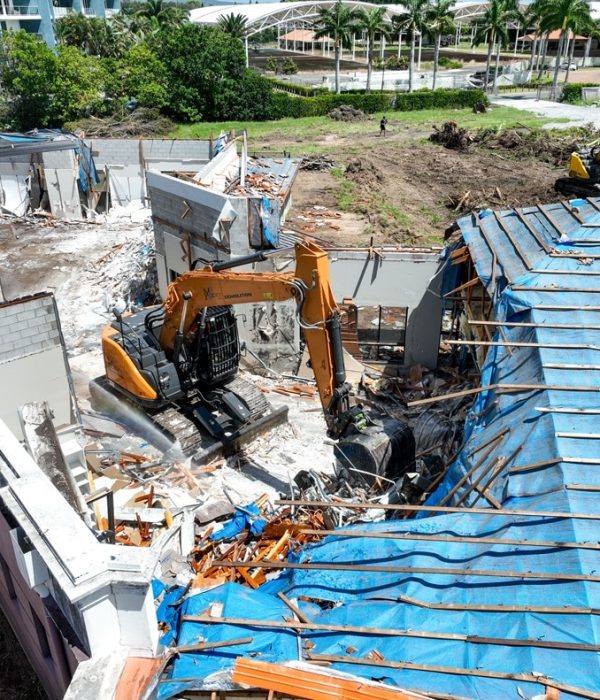
How Contractors Support Either Option
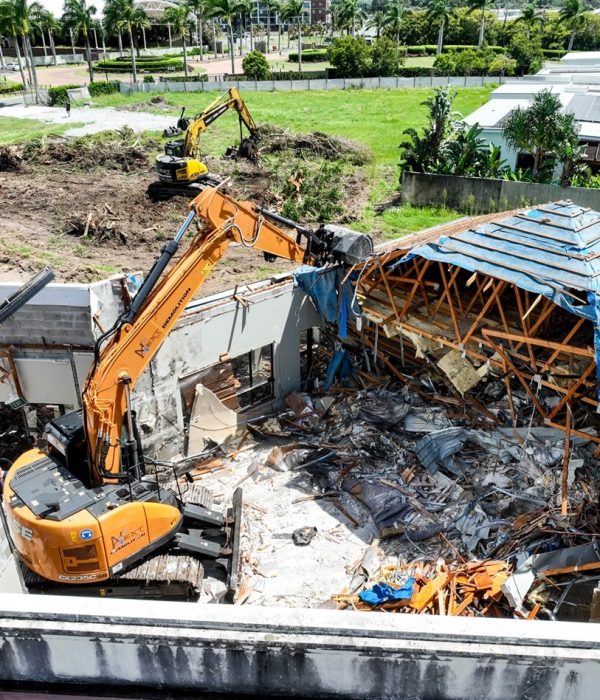
Whichever option you choose, a demolition contractor can help with site preparation, such as disconnecting services and clearing debris. They can work with your certifier on approvals, handle asbestos testing and removal before any work starts, and carry out excavation to prepare the site for future works. See how demolition sites are cleared, levelled and prepared for construction and how asbestos is identified before demolition.
Planning a House Removal or Demolition in Brisbane
House removal can be a good alternative to demolition for the right home, but it still involves planning, costs and clean-up. Whether you relocate the house or clear the block for something new, Next Gen Demolition carries out house demolition, clearing and site preparation across Brisbane and the Gold Coast. Contact us for a free quote.